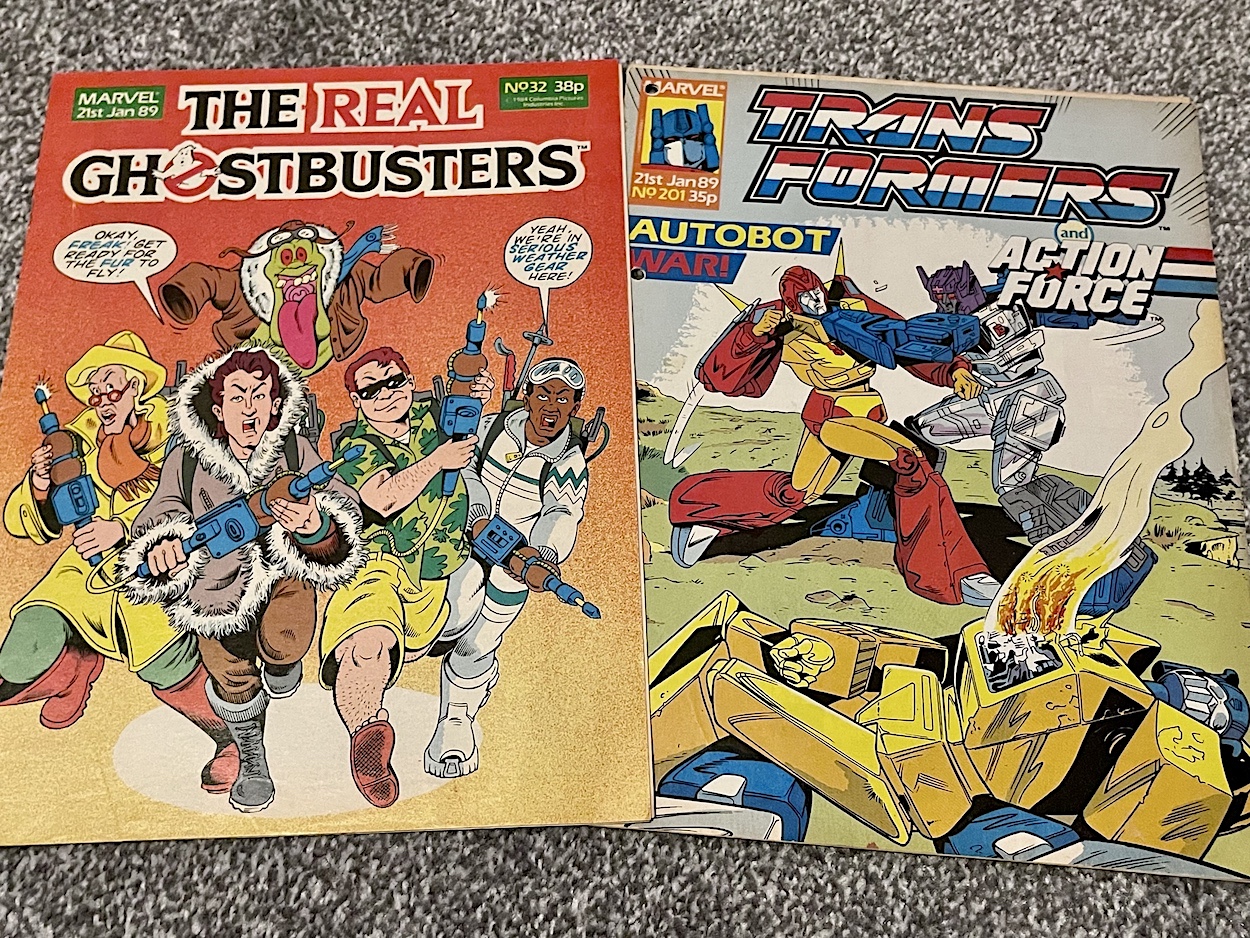
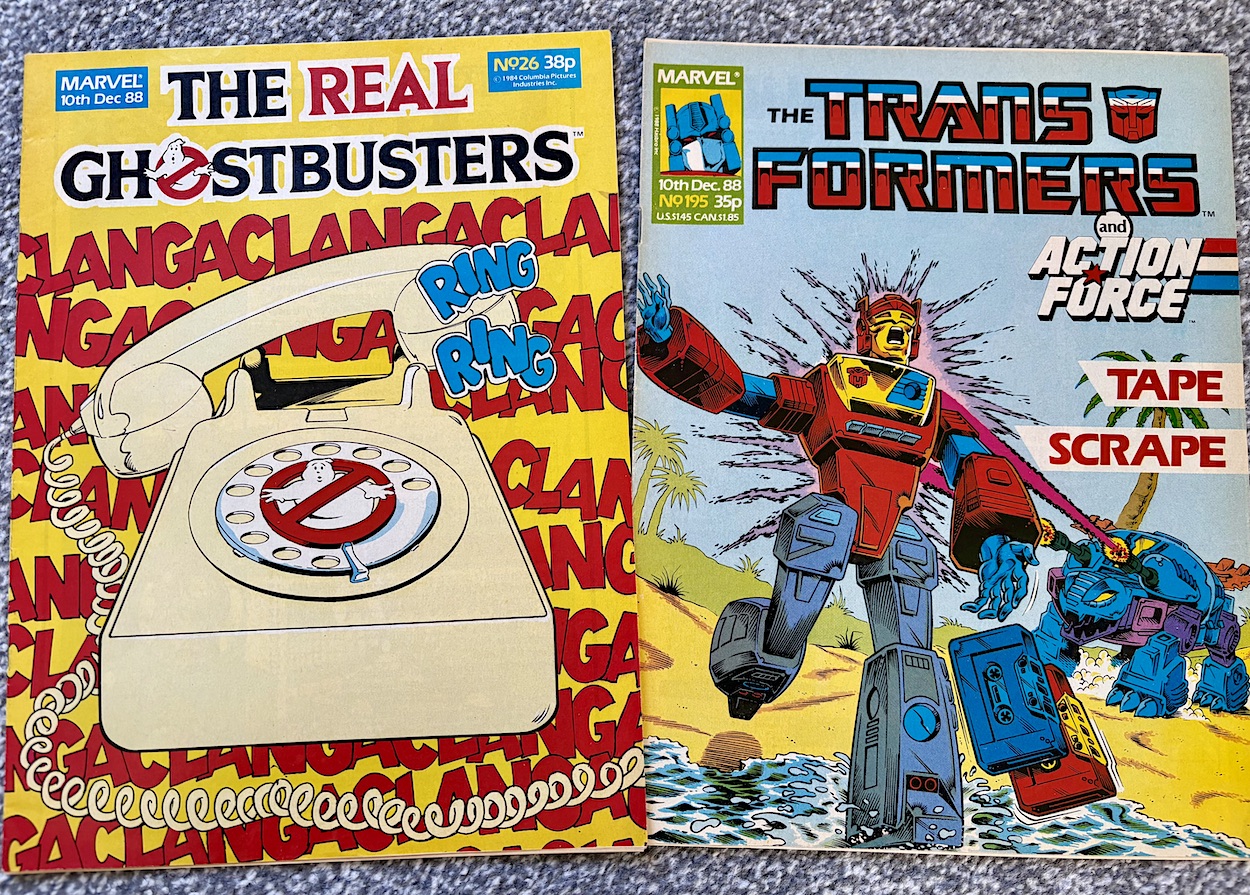
The first post-holidays issue of The Real Ghostbusters (with cover by Brian Williamson and Dave Harwood) and the first post-200th Transformers and Action Force (with its cover by Dougie Braithwaite and Dave again) were ready to welcome me to Saturday after the first full week of the new school term back in 1989.
The Real Ghostbusters image looks more like a new range of Action Force figures rather than our New York firehouse residents, and for once it refers to a strip inside rather than the prose story. Also inside, Ozbusters isn’t a tale set Down Under, it’s about Egon’s haunted dream in which he’s the tin man, Winston’s the scarecrow and Ray’s the cowardly lion. Can’t fault the imagination in that comic.
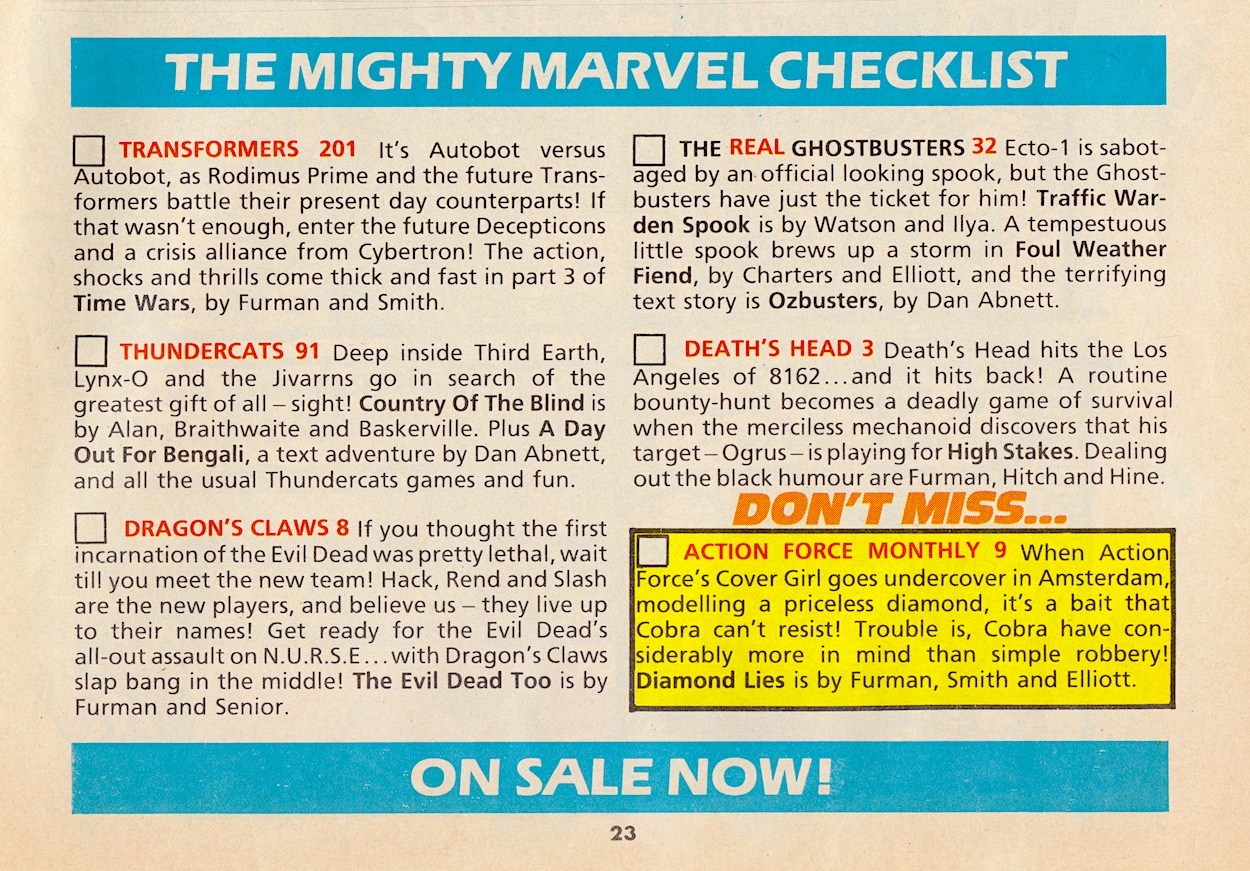
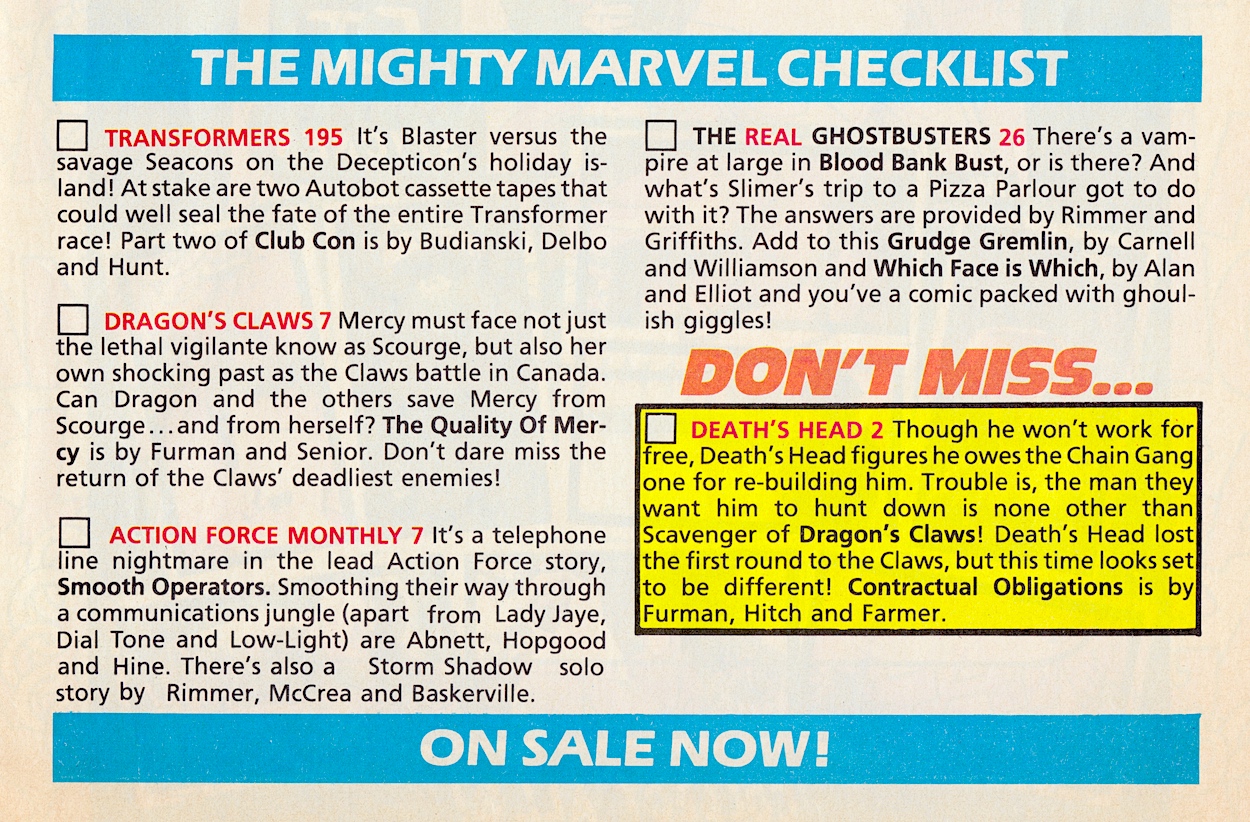
Part Three of Transformers’ epic Time Wars may have some printing errors across its pages resulting in some strange colours but that doesn’t blunt its impact one iota, although it’s almost upstaged by Larry Hama’s incredible Hush Job strip in the back up spot, which may have no dialogue but has plenty of drama! Both of my comics were absolute winners this week but what else did Marvel UK have to offer us? Let’s check the checklist.
Thundercats sounds like a regular issue, the likes of which fans enjoyed for most of its run, until that “games and fun” bit at least. The comic’s relaunch for a younger audience was probably inspired by the success of The Real Ghostbusters, even if Marvel’s top-seller didn’t have to rely on such gimmicks. Some of the best issues of Death’s Head and Dragon’s Claws were covered last week, leaving only our ‘Don’t Miss’ comic.
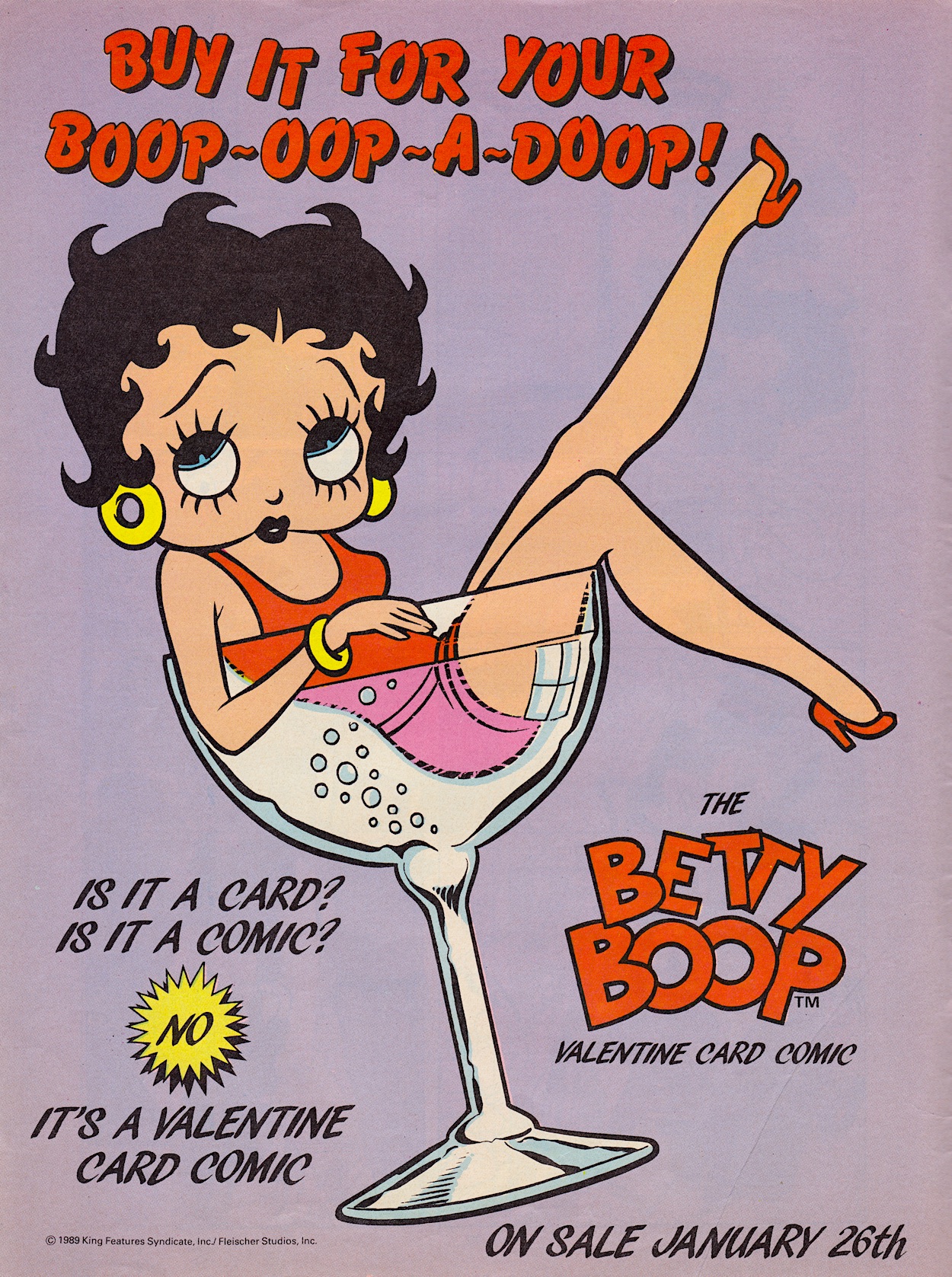
Action Force Monthly lasted 16 issues, so technically longer than the weekly time-wise, and it and its weekly always sounded great. Especially now that I’m reading the G.I. Joe originals I must make it my mission to get caught up with all of the UK stories too. Finally, our only new comic advertisement this week can’t make its mind up whether it even is a comic!
I was never a fan of the Betty Boop cartoons growing up, but many were and I remember she was always on the telly, her merchandise seemed popular and of course she popped up in Who Framed Roger Rabbit?. It’s strange to find out there were only two new cartoon specials in the 80s and the rest were reruns. She’s even had a Broadway musical which only closed in 2025!
I don’t remember this comic/card combo at all, I didn’t even recall the adverts when reading these comics again all these years later. Do you remember Betty’s Valentine special? Did you perhaps receive it from a secret admirer? Or send it to one? As usual, I’d love to hear from you in the comments or on socials, the links to which are just below.
As more and more houses on our streets put their decorations up and the ice over the railway bridge made walking to school an adventure, Marvel UK kept my friends and I warm with the latest issues of The Real Ghostbusters and The Transformers and Action Force, with covers drawn by Dougie Braithwaite with Dave Hine, and Stephen Baskerville respectively.
In #195 of Transformers it comes to light that centuries ago two Autobot cassettes (how 80s) crash landed on Earth with important data about an incoming threat. They were found by a pirate ship’s crew which later sank and that’s why the Decepticons have now built their tropical island (their disguised space craft) in this area as they hunt for the cassettes. This feels like a live-action movie plot, flashing back in time to add a previously unknown plot line. It’s great fun!
A reader also asks is he’s too old to read Transformers, Action Force, Death’s Head and Dragon’s Claws. Little could that 18-year-old have known how these comics would remain treasured for decades. The Real Ghostbusters’ readers are asked to help them save the world with a toy product recall (too much lead in a Ghost Pen Light) and Spengler’s Spirit Guide details lesser known vampires such as Dracula’s gullible brother who was killed with Perrier. How could Marvel top that? Let’s check the checklist.
Dragon’s Claws #7 is probably my favourite issue. It definitely highlights my favourite character. Mercy had the most interesting background of all the Claws with a determination to end corruption and bring down those who think they’re above the law (very ‘Knight Rider‘). Having a copycat on the loose is a great way of getting to know Mercy’s character, and this issue more than any makes me mourn the premature cancellation of the comic; there’s so much potential in Mercy and this only scratches the surface.
Action Force Monthly #7 is the same issue as last week and the Claws needn’t have felt too put out not being the ‘Don’t Miss’ comic, they’re the stars of that one too! After a certain mechanoid guest starred in Dragon’s Claws two months previous it was time for them to return the favour (and hopefully bring across more readers) for Death’s Head’s sophomore release. It’s a brilliant issue and reads like a funny buddy cop movie from the 80s. So yes, it deserved its position on the checklist.
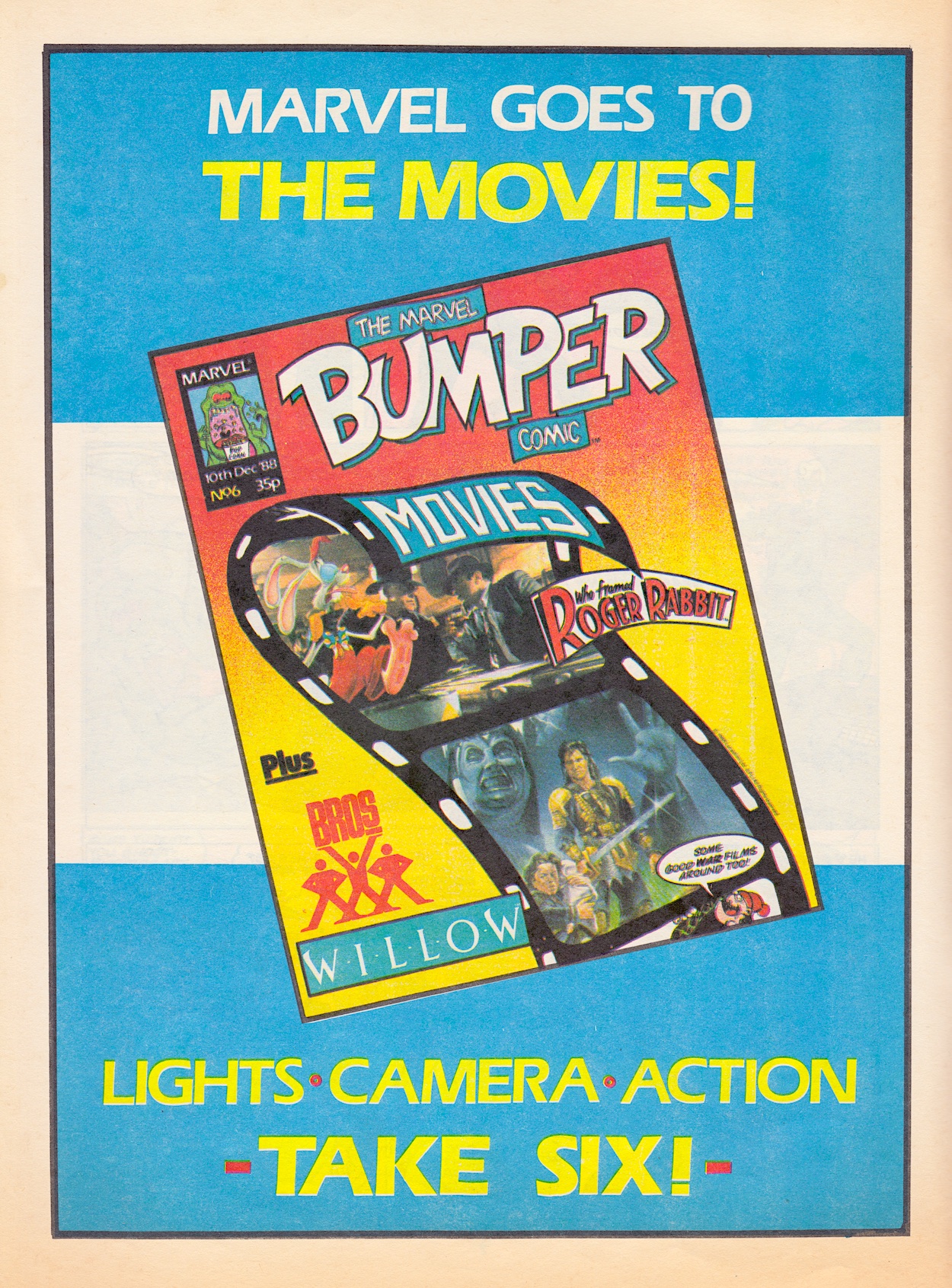
The only new comics advert this week is rather basic but the cover to the latest fortnightly Marvel Bumper Comic was enough to whet the appetite. Did these movies have strips inside or written articles? Maybe we’ll find out at a later stage on the blog? Hopefully, because I’d love to collect this series eventually. I do remember owning a Bros. special from Marvel UK (for some reason) and it contained comic strips. Bad comic strips, mind you.
Did you collect The Marvel Bumper Comic? I think I only ever had the Holiday Special which started it all off. Do you think it’s worth collecting? For now though, it is but a pipe dream. However, we’re now well and truly into this year’s seasonal posts on the blog so there’s plenty to keep me busy and my wandering hands away from overpriced eBay auctions. More checklist fun next week including an advert for a movie adaptation to one of the above. More in seven days as per usual.
Between the original publication dates of the previous issue of Doctor Who Magazine covered on the blog (#135, as part of the Death’s Head read through) and this one I’d finally discovered the TV series for myself. I’d grown up in a house where older siblings would have watched Tom Baker in the role so I was always aware of it and certain aspects such as the Daleks, the TARDIS etc., but it wasn’t until I saw those aforementioned meanies splashed across media outlets in 1988 that I decided to give it a go for myself. I’ve watched ever since.
I’ll get back to that below when I take a look at some other parts of this issue, but the reason it’s here on the OiNK Blog is because of those two cheeky Blues Brothers-esque characters peering out from behind the cover. After months of that teaser advertThe Sleeze Brothers finally made their strip debut here and, according to Richard Starkings (Sleeze Brothers’ editor) this very well could be the only time creator-owned characters made the cover of DWM! This magazine’s editor (and friend of the blog) John Freeman concurs. John was the mag’s designer in the previous issue we looked at so he’s had a promotion since.
On the contents page you can see how the strip in introduced with its “plethora of artists” and that is indeed the case, with no less than five of Marvel UK’s finest bringing the characters to readers for the first time. Before we move on to the main event though, I couldn’t help but spot that little bit of optimism in the editorial about Doctor Who’s potential upswing in fortunes over the year ahead. Within the year the show would actually be cancelled.
So let’s get stuck into the first (mis-)adventure for El’ Ape and Deadbeat. As you can see from this first page we’ve got a who’s-who of Marvel UK talent responsible for the eight-page strip. John Carnell and Andy Lanning are the creators and alongside Andy on art duties are John Higgins, Kev Hopgood, Dougie Braithwaite and Dave Harwood. A greater selection of pencillers and inkers from my childhood (especially The Real Ghostbusters) would be hard to find. Then add in Slimer’s main artist Bambos Georgiou and this screams “classic” before I’ve even read one panel.
My first encounter with the brothers was with #1 of their own comic and only now, decades later, I’ve got my hands on this strip. Having only ever read #1, and not having done so since 1989, reading this prelude years after the fact doesn’t matter. My memory is so rubbish everything I knew about their comic is gone so this reads just as intended, as a fun little build-up to the chaos (hopefully) to come.
The Meddling Monk’s chameleon circuit hasn’t been damaged and his ship turns into a futuristic outside loo
We arrive on Earth on an undisclosed future date and catch a tantalising glimpse of the world the upcoming comic will have as its setting, which I’m hoping we’ll see a lot more of if this first page is anything to go by. TV series villain the Meddling Monk has landed to interfere in the upcoming election but the SeventhDoctor (Sylvester McCoy) isn’t far behind. Brilliantly, unlike the Doc’s TARDIS, the Monk’s chameleon circuit hasn’t been damaged and his ship still tries to disguise itself within its surroundings, turning into a futuristic outside loo.
The Doctor is in hot pursuit though and after damaging the brothers’ car the Monk flies off again before he can put his plan into action. But El’Ape isn’t having it, he needs his insurance details! Putting a gun to the Doctor’s head he tells him to “Follow that TARDIS!”, which is the name of the strip. Locking on to the other TARDIS the first stop is Tunguska, Siberia on 30th June 1908.
If you know your history you may have heard of the Tunguska Event, an explosion caused by a meteor air burst. Basically, an asteroid entered our atmosphere and exploded above the surface of the planet, the resulting burst of super hot air producing what many originally thought was the aftermath of a nuclear explosion. Ridiculous conspiracies grew up around the event and many fictional stories have laid claim to fantastical reasons behind it, this being one such tale.
The explosion (I love the “Kabooooomski!”) flattened over 2000 square kilometres of forest but thankfully there were no officially reported deaths, although some reports have indicated two people may have perished (presented here as survivors with their clothes burnt off their bodies and singed hair in Looney Tunes fashion). The Meddling Monk makes his way to three key historic events in total and each time El’ Ape’s attempts to catch him result in an origin story for said event.
While this is generally a zany comedy strip, I’m no longer sure about the next bit of the story.
That’s right, they end up on board the ill-fated maiden voyage of a certain ship built just down the road from my house. Now to be fair back in 1989 the wreckage of Titanic had only been found four years previous by Bob Ballard and it was popping up everywhere in popular fiction, but the movie which highlighted the tragedy of the lives lost was still eight years away. (The museum here in Belfast that I’ve visited countless times was still 23 years away!) But with hindsight, with much more knowledge today of the sinking and the human cost, this feels in particularly bad taste nowadays.
I know that was never the intention, I hope I’ve made that clear, but I review all of the comics on the blog as I find them today. Convinced the Monk’s TARDIS has disguised itself as a giant iceberg up ahead (no, really) El’ Ape takes control and goes full ahead to ram him and hopefully sink his TARDIS and capture him. The sequence finishes with the silhouette of the ship going down, a few lifeboats of survivors being all that’s left of life on board and the sound effect of the TARDIS.
Not only does this not sit well with me but I just don’t think the Doctor would ever have allowed it to happen. The Tunguska Event is one thing, in this version it just singed a couple of people. Then the final event in the strip involves the Bermuda Triangle as Flight 19 (each time period brought to the page by a different artistic team really works a treat) is accidentally taken through time. But we know the Titanic saw the deaths of over 1,500 people. That’s not something for the Doctor to basically think, ‘Whoops, better get out of here before I’m caught’!
Throughout the strip Deadbeat has his nose in a book which he seems to be getting more and more engrossed by as the story goes on. On the last page we see he wasn’t ignoring what was happening around him, in fact each time he was trying to stop his brother from causing these bad things to happen, almost as if he knew what consequences their actions were going to have. As the story draws to a close the Doctor kicks the brothers out of his TARDIS and takes off with the captured Monk, then Deadbeat throws his book away and we finally see what he was reading all along.
Okay, so exactly why was the sinking of the Titanic in a book about ‘Unexplained Mysteries and Disasters’? Anyway, despite the passage of time and the acquiring of much Titanic knowledge (it’s become a fascination of mine this past decade or so) resulting in one part of this strip taking on a whole new meaning, I can appreciate when it was written and that I probably would’ve just found it daft at the time. However, The Sleeze Brothers themselves have definitely made an impression.
They may not be much more than a spot of comic relief, and the whole story could be summed up that way as well, but they’re really fun comic relief. Despite essentially no information on who they are or why they guest starred in this Doctor Who strip (if you didn’t know their own comic was on the way), they still come across as well defined characters, as clear individuals with potential depth. As a tease for what’s to come it’s made me impatient for their premiere issue.
Right now though, I want to take a quick dive into one particular subject in the rest of this issue of Doctor Who Magazine.
The last time I showed a strip from DWM I also included what was a brief mention of an up and coming Doctor Who story called Remembrance of the Daleks. It would be part of the 25th series’ anniversary celebrations and the first appearance of his longest-surviving enemies for the Seventh Doctor. Because of this, marketing went into overdrive and the Daleks were everywhere. The hype pulled me right in and I can remember sitting down to watch part one of that story in my bedroom.
I was amazed by it. It seemed like a completely different show to the one I’d seen my older siblings watch years before. Several months after its transmission this issue published an episode guide for the season, an interview with the story’s writer and plenty of discussion about what still remains (36 years later) one of my very favourite stories from the show. While it’s a bit cheeky to say the eight-page episode guide is “free” on the cover (in reality the issue was only four more pages than normal), it does contain that lovely opening page above on glossy paper.
It’s less of an episode guide and more of a list of things that were left out from the final production, but it stills bring back happy memories of the four weeks it was on and the anticipation for the next part after each belter of a cliffhanger. Much more in-depth is the four-page interview with writer Ben Aaronovitch. Given this was his first commissioned strip for the show it’s a hell of an ambitious first foray into the world of the Doctor.
There are some interesting nuggets of information there such as the fact there was meant to be more of a focus on the whole “more than just a Time Lord” thing, which reminds me of the recent Timeless Child story that also injected some much needed mystery back into the character, and which I’m excited to see play out in future seasons. Also, when Ben mentions that ‘Masters of the Universe’ thing, it’s a reference to Dalek flying gun platforms based on something similar in the awful He-Man film from 1987. BBC budgets being what they were, this was changed to the Special Weapons Dalek, a fan favourite design to this day.
Elsewhere, a writer by the name of David J. Howe is adamant that Remembrance has to have been set in an alternative universe because it simply doesn’t gel with his own conclusions about the Doctor’s past from previous series. This sounds an awful lot like certain ‘fans’ online in recent years and in a piece by Gary Russell about the story The Greatest Show in the Galaxy it appears certain types aren’t confined to the modern era and social media (check out that middle paragraph).
Finally, on the back page is an advert for the William Tell graphic novel. This collected together the unpublished strips created for a new fortnightly comic that was cancelled before it had even launched (advertised in Marvel UK comics the previous year). With that, it’s time to wrap up this jaunt back to 1989 aboard the TARDIS and look forward to the first issue of The Sleeze Brothers proper.
As I’ve said previously I only ever read the first issue of their comic at the time and haven’t since 1989, yet the way they acted in this tiny tease of a strip feels so familiar to me. The idea of full-length, full-colour strips on a monthly basis with these two as the stars is almost too much excitement to contain for another three months! But that’s what I must do because the review of #1 of The Sleeze Brothers won’t be here until Monday 24th June 2024.
When I reviewed Marvel UK‘s monthly Visionaries comic earlier this year the general reaction on social media fell into two camps. There were those who’d forgotten all about the comic and those who never knew it existed. Even fewer knew about this annual. Exactly 33 years ago to the day, back in 1988 I received it on Christmas Day, not knowing about the existence of a regular comic until it was mentioned inside. I was gutted I’d missed out, being such a fan of the cartoon, so finally reading their origin story (which I’d missed on TV) was a thrill.
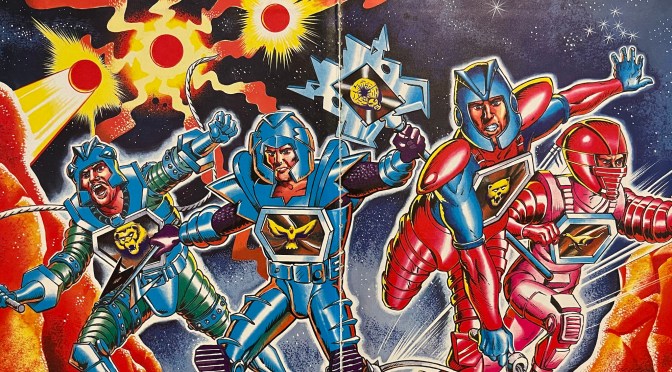
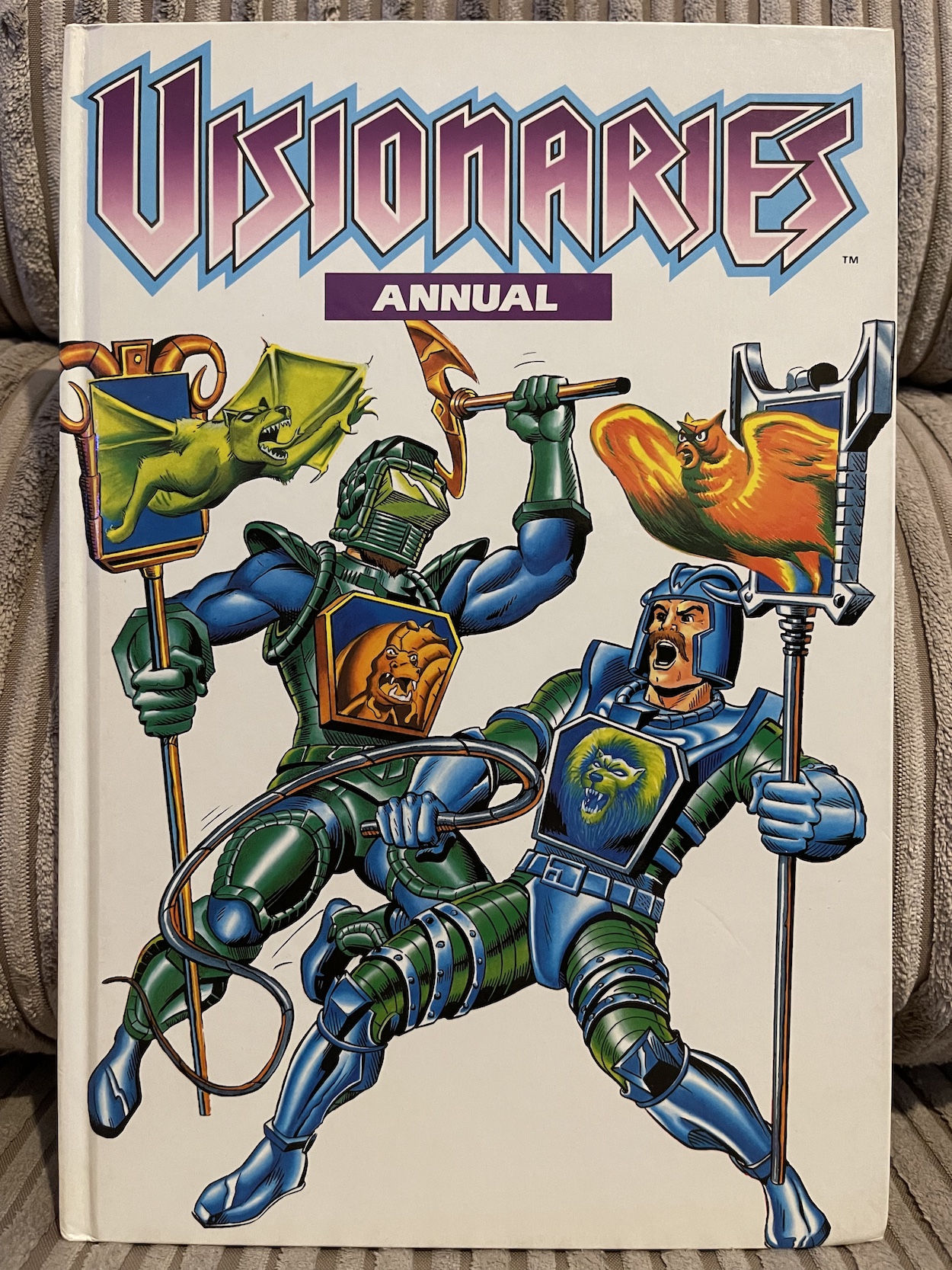
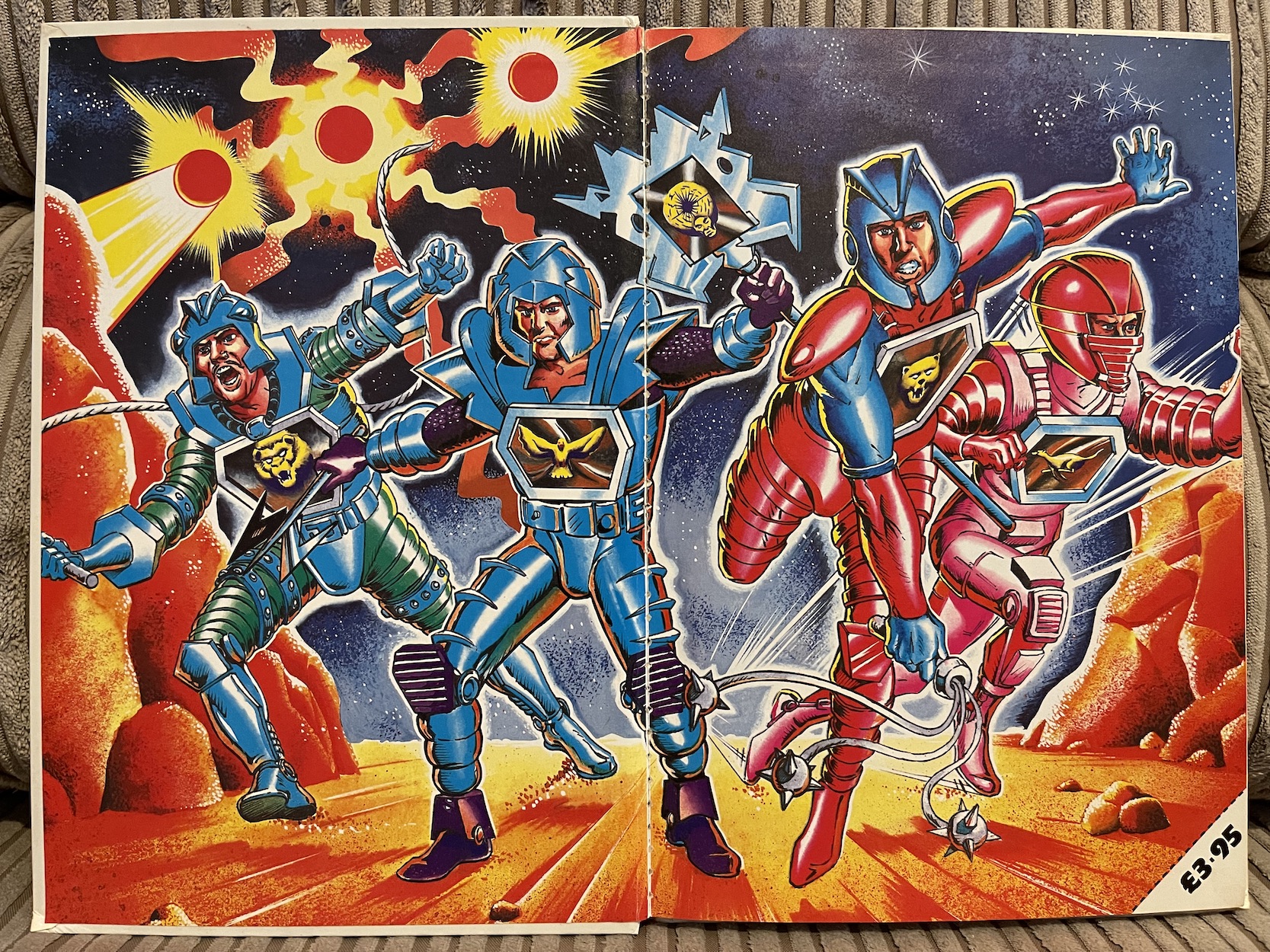
Of course, today that thrill is diminished somewhat after reading that story several months ago in the comic. I can imagine fans weren’t too pleased that over half the book was reprint material either. But let’s start at the beginning with that eye-catching cover by Martin Griffiths (Thundercats, The Real Ghostbusters, 2000AD) and John Burns (Transformers, Sable and Fortune, G.I. Joe). Only upon reading these for the blog did I realise this was the image produced for the premiere issue marketing. But still, original Marvel UK pieces like this are the envy of American Visionaries fans, just like this opening spread by Dougie Braithwaite (The Punisher, The Real Ghostbusters, Batman) and John.
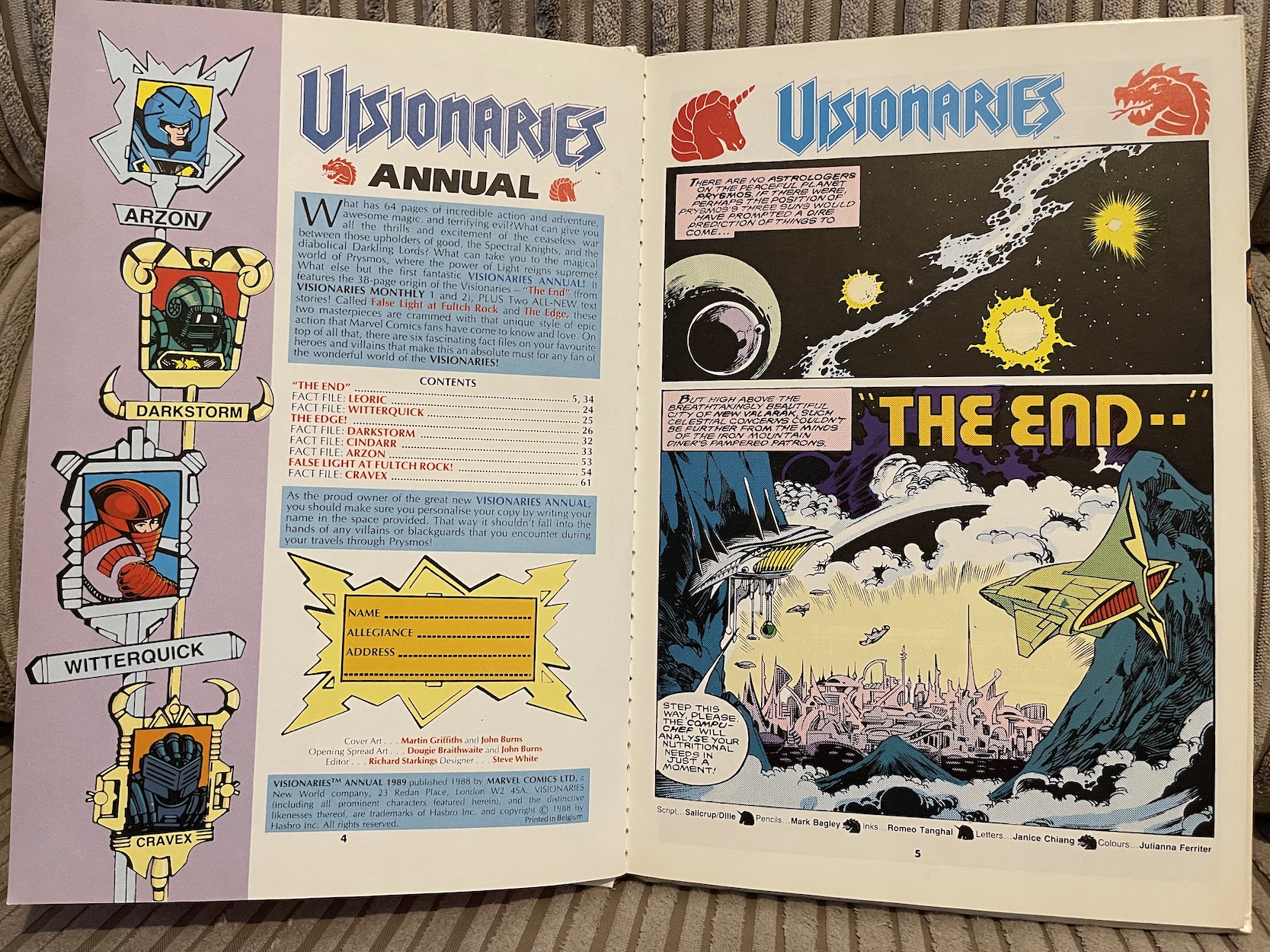
There’s an editorial matching the comic’s design, although at least here it’s all hype for the annual in the reader’s hands rather than advertising for other titles. Surprisingly it explains the strip is a reprint but it does make a big deal of the fact there are two brand new prose stories and a handful of fact-files. There’s also the obligatory space to fill in your name in case your friends decided to steal it away from you.
Monthly Visionaries editor Steve White is credited as designer here, most likely because most of the design is lifted straight from the comic with minimal changes. The editor is Marvel UK stalwart Richard Starkings (Transformers letterer, The Real Ghostbusterslaunch editor, Elephantmen writer and Comicraft founder) and with limited resources to produce an annual for a comic which had proven unsuccessful, meaning no UK originated strips, he’s done a fine job in pulling together a book I have very happy memories of.
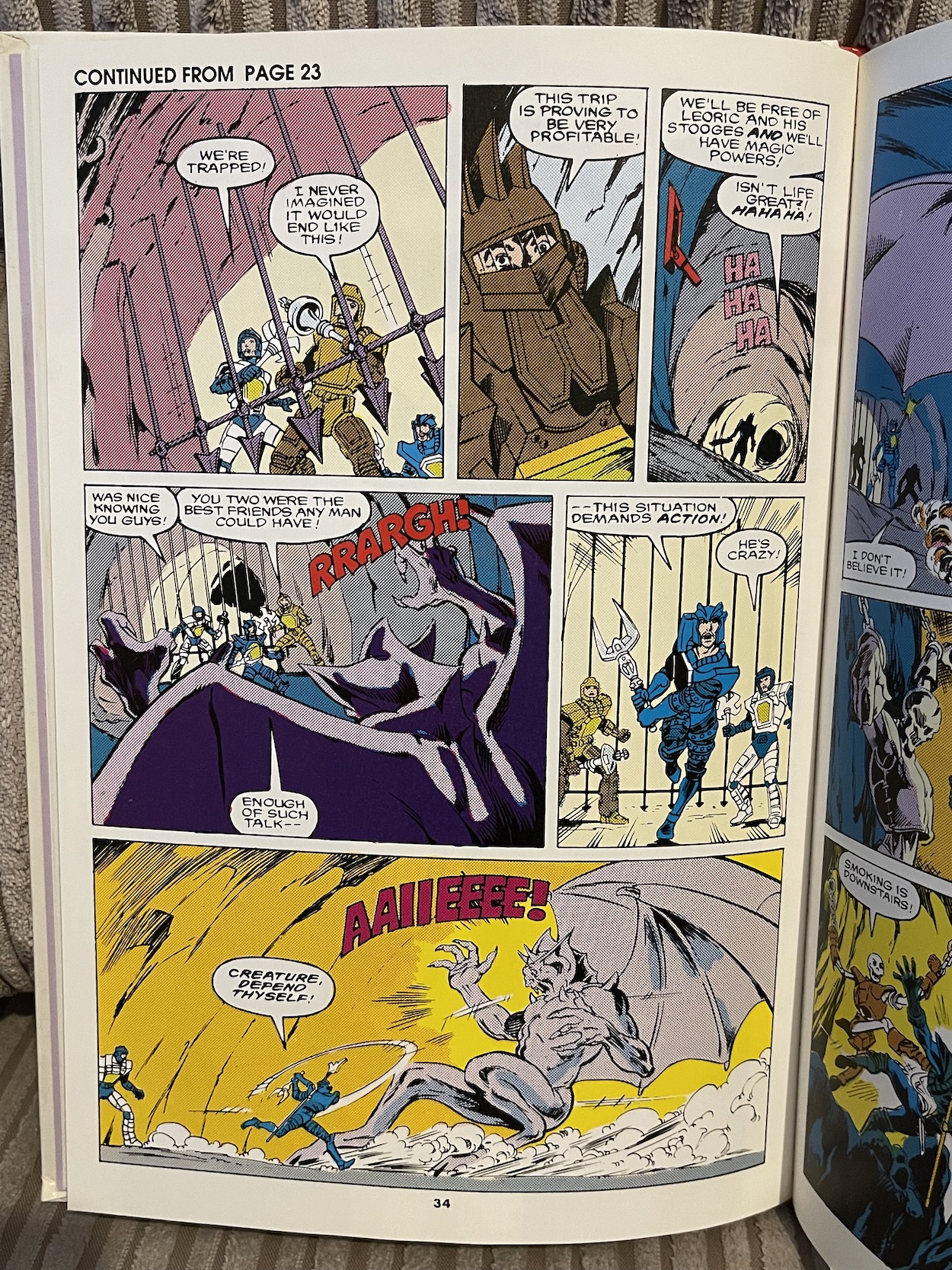
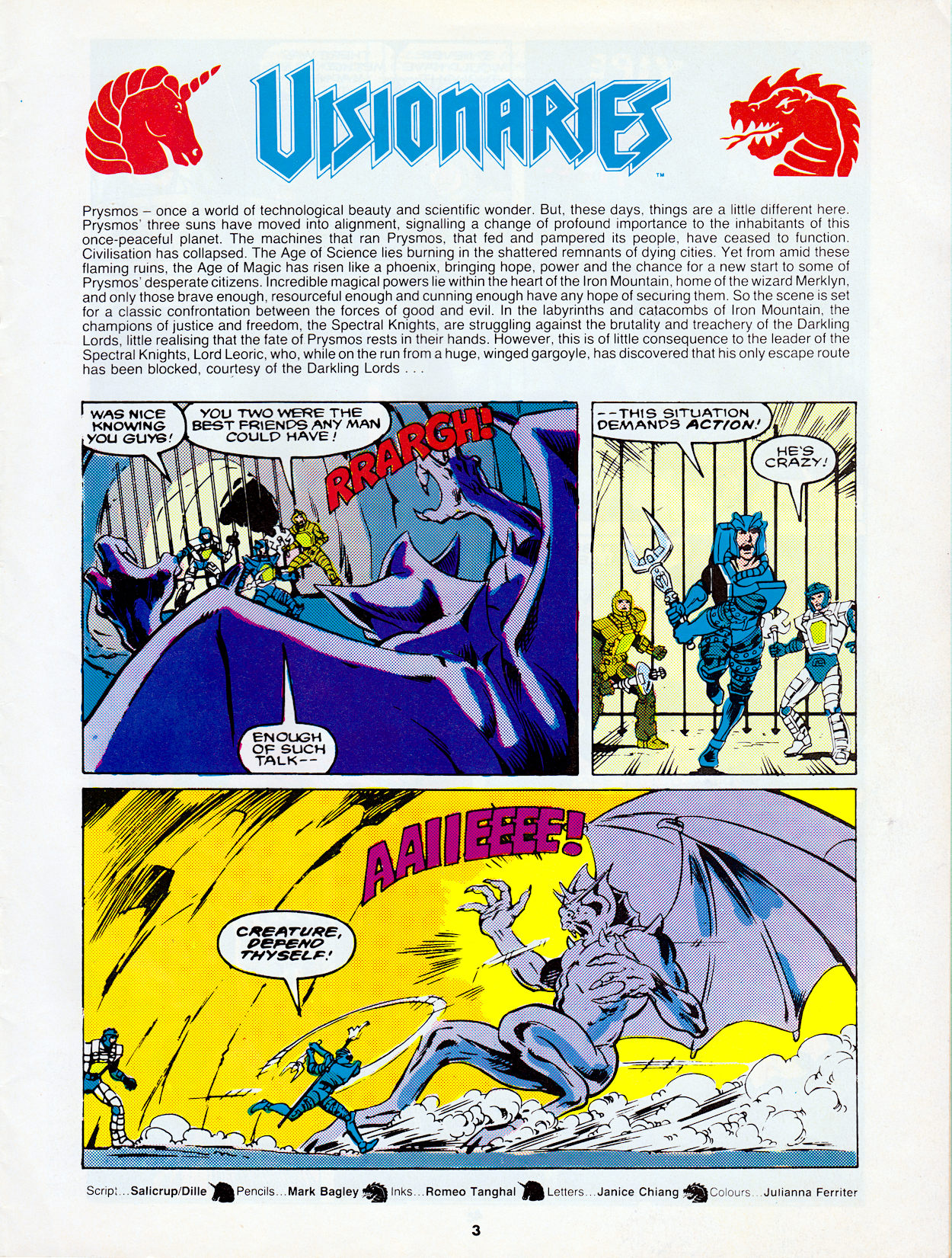
So yes, the most exciting thing in this annual for me originally was finally reading how it all began and it’s always a good read, no matter how many times I do so. The End… The Beginning takes up a whopping 38 of the 64 pages available here and is the original version of the strip, minus the great big lump of text that removed some important panels from the start of the second half when published in #2 (see below).
Based on the teleplay by Flint Dille, adapted by Jim Salicrup, pencilled by Mark Bagley, inked by Romeo Tanghai, lettered by Janice Chiang and coloured by Julianna Ferriter it’s still a masterpiece in origin storytelling today, however I’m not going to read it again for this review. It may have been brand new and exciting 33 years ago but I read it for the comic’s reviews last spring and again in the pages of Transformers this year on the blog’s Instagram! (I’ll explain that at the end of the review.) So for the full details of this story check out the reviews of #1 and #2 of the comic.
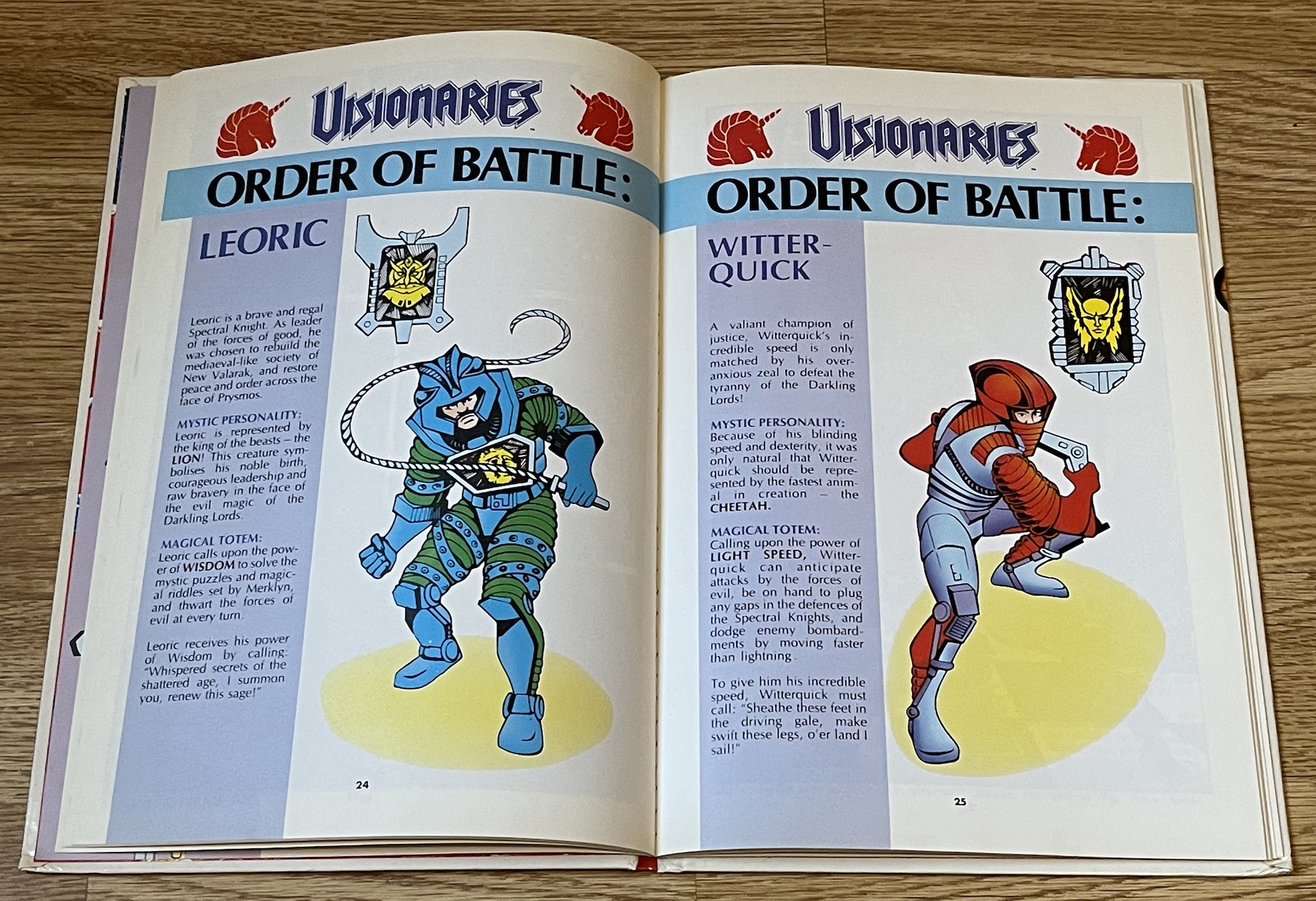
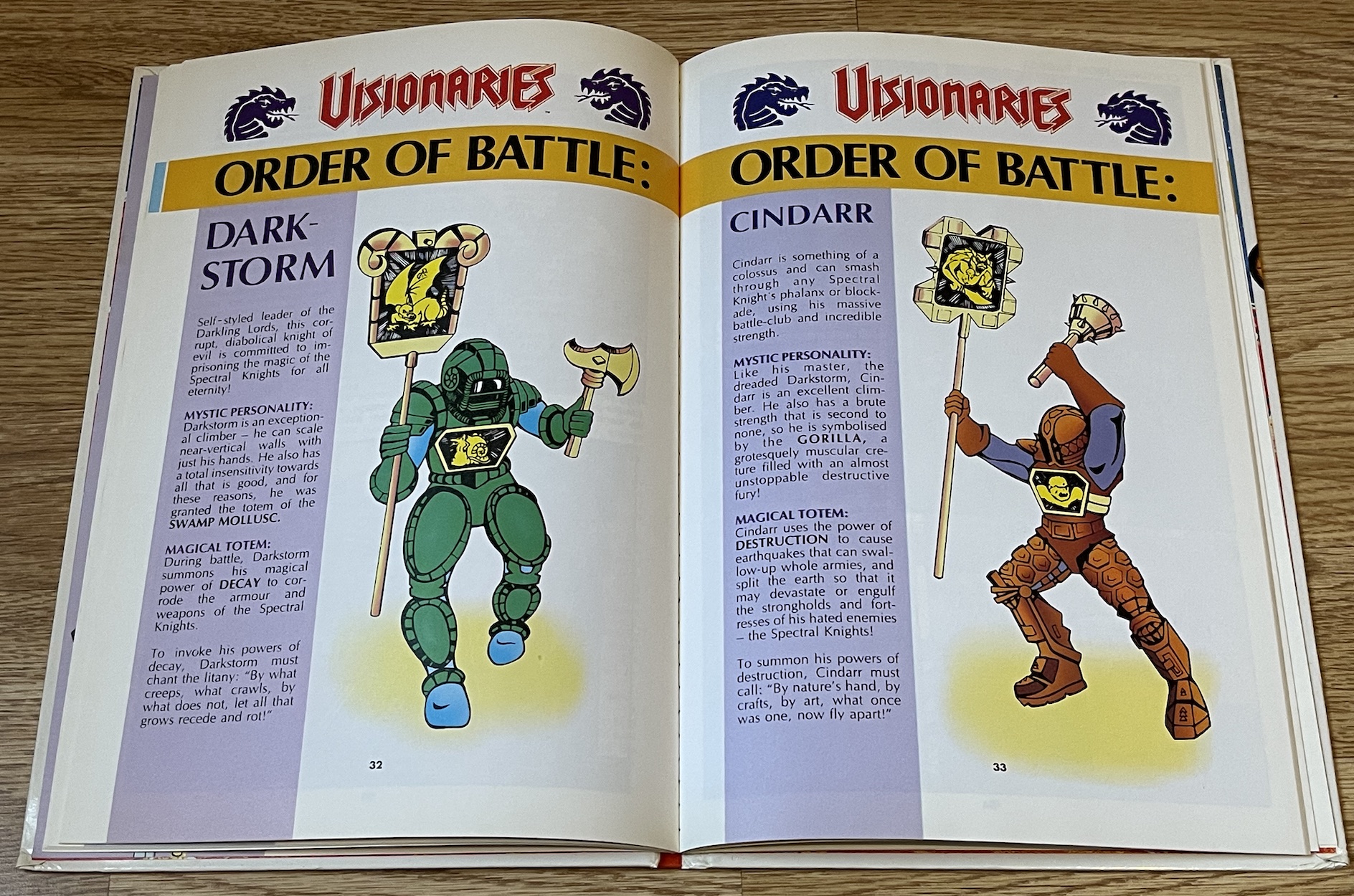
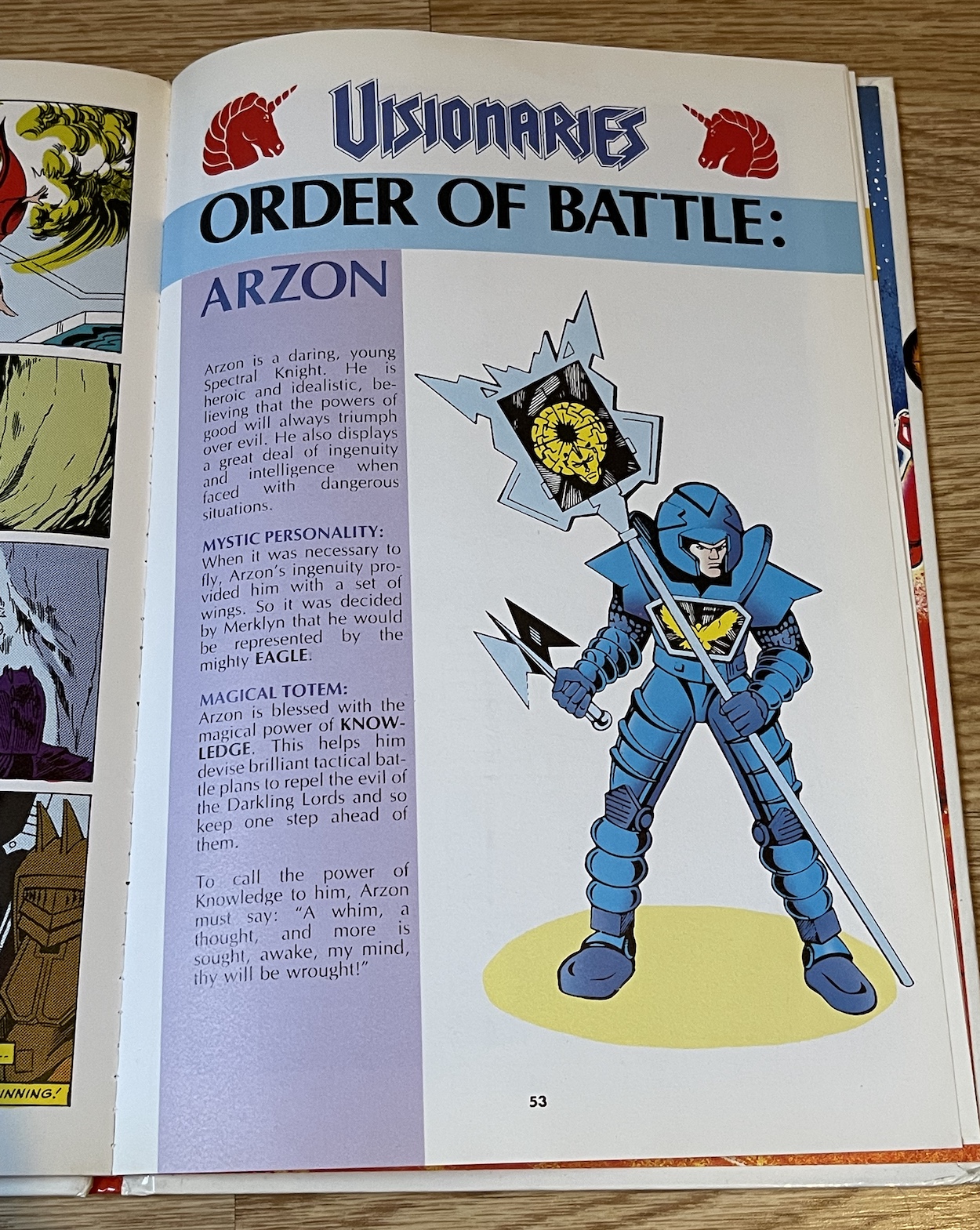
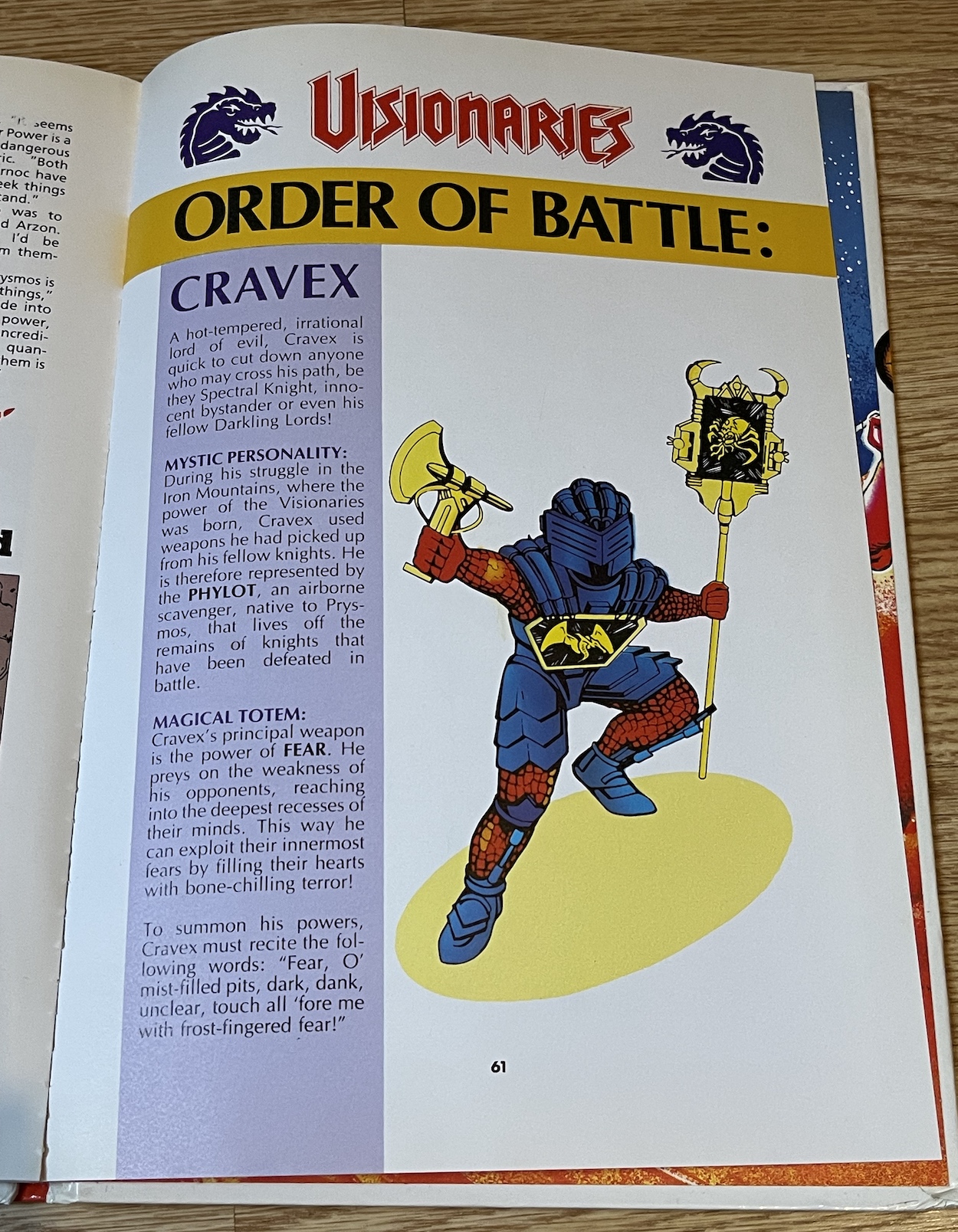
So I’m just reading the parts that are new and as such it’s a much different, much shorter experience this time around. We begin with the fact-files, of which there are six featuring Spectral KnightsLeoric, Witterquick and Arzon, and Darkling Lords Darkstorm, Cindarr and Cravex. I’m not sure who drew the images for them but they are rather basic. Four of them were used for the editorial page, although just their faces. Given how far in advance annuals are created I think we can conclude these were drawn for these fact-files and then used in the monthly.
The descriptions have basically been lifted from the toy packets, reworded slightly to include the occasional reference to the origin strip. While the cartoon and comic had our heroes turn into the animals on their chest plates, the toys simply said these totems “represented” the characters’ personalities and you can see that’s used here too, which is a bit strange. Also, by this stage Darkstorm‘s goal had been established as more than simply wanting to conquer his foes (I’ve gone into that in depth in the monthly reviews) so it’s a shame to see that included.
I loved getting my Marvel annuals every year with their mix of strips and text stories. Unbelievably, some of my friends didn’t read the prose tales and wished their books were strips from cover to cover. They really missed out, these were some of the very best stories told by Marvel UK; it was one of the annual text stories that created Megatron‘s background of being a gladiator before the war, something that’s canon in basically every interpretation of Transformers today.
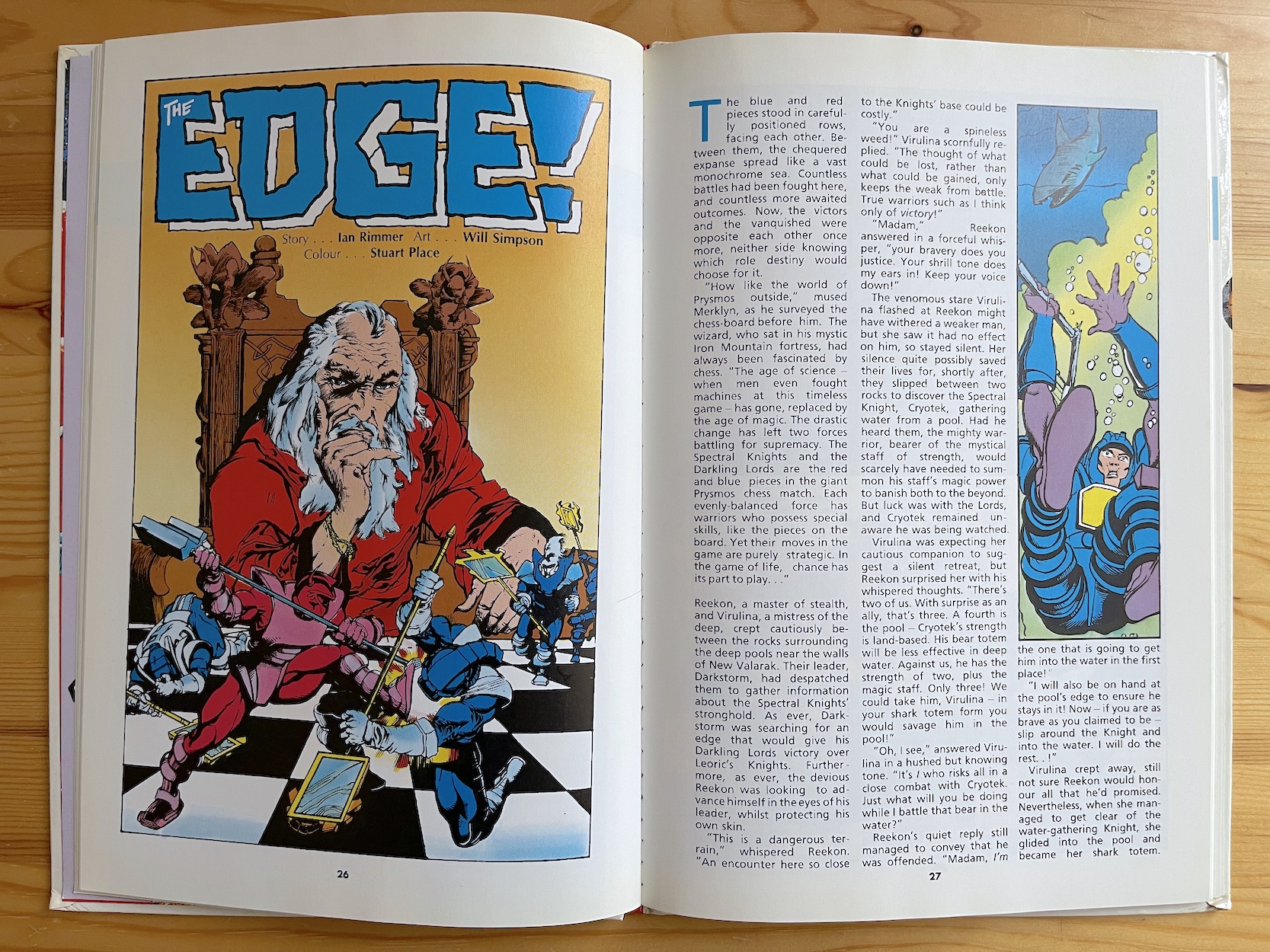
The writers would often concentrate on a couple of characters for the whole story, using the format to have some fun with them. While Transformers used it to develop them, for most of the other annuals it was a chance to take one small battle or incident and create a story full of personality and humour. That’s definitely the route the two new stories take here. First up is The Edge written by Ian Rimmer (Zoids, Action Force, Transformers) with art by Will Simpson (Transformers, Hellblazer, Rogue Trooper) and colour by Stuart Place (Captain Britain, Transformers (yes, again!)).
The story is bookended with Merklynn playing a game of chess, or whatever the Prysmos equivalent is, and equating his game to the ongoing battles between the two factions of warriors he’s created. The theme here is luck; no matter the strategy in the game chance will always play a part. The story itself is simple but fun and these bookends are an attempt to make it all feel more substantial than it actually is. It’s an interesting way of doing it and a good example of the more experimental writing techniques used in the text stories.
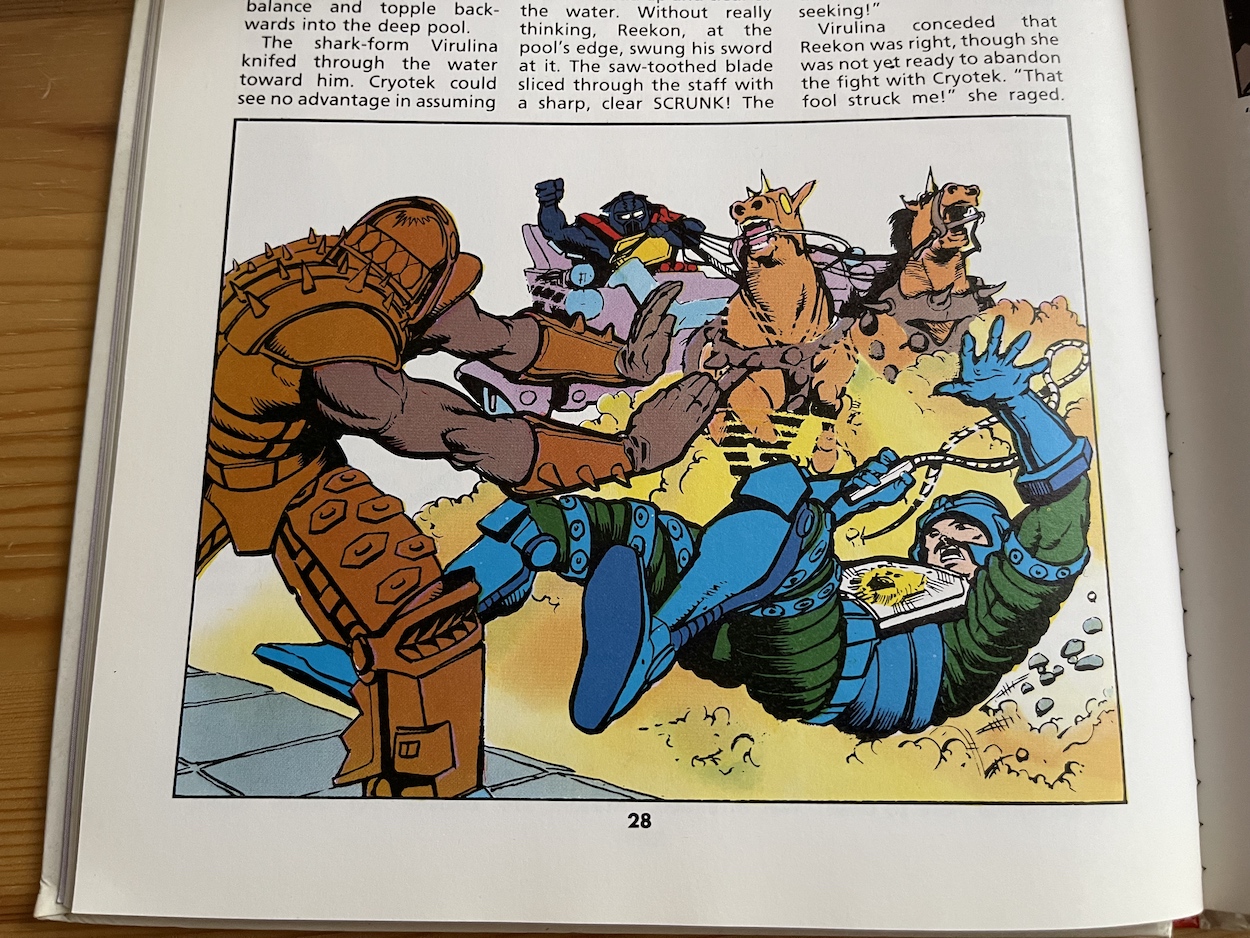
Reekon and Virulina are stalking about the lake near Leoric‘s compound when they happen upon Cryotek gathering drinking water and immediately hatch a plan to take him out involving both of their totems, a plan which is actually quite smart and very entertaining. In the midst of the fight the wooden shaft of the Spectral Knight’s staff gets snapped in two and the magic power itself disappears from within. This is a moment of revelation for the Darkling Lords but surely they’d have known this already? Has no damage come to their own wooden staffs in all this time?
The Lords launch a mass attack in which their targets aren’t the Knights themselves but their staffs, and they begin destroying them one by one. Surely a risky manoeuvre since their own staffs would be just as vulnerable, surely? Cryotek is holding the two pieces of his and needs a free hand to fight, so he holds them together in one hand at the point where they snapped apart. The magical energy returns, all it needed was to be held together and connected via the inner energy of the person whose persona is embodied within it. The battle ends in a draw and we read about Merkylnn resetting his chess game ready for the next battle and laughing.
It’s a strange little tale that doesn’t make an awful lot of sense if you think about it too much but there are some nice character moments, particularly for Reekon and Virulina. The dialogue between the two is snappy and funny as they whisper and bicker about their plan, and Reekon shows a masterful mathematical mind in working out the odds of success (and survival), an aspect of his character we never got to see in the comic before its premature cancellation. Definitely worth it for these moments alone.
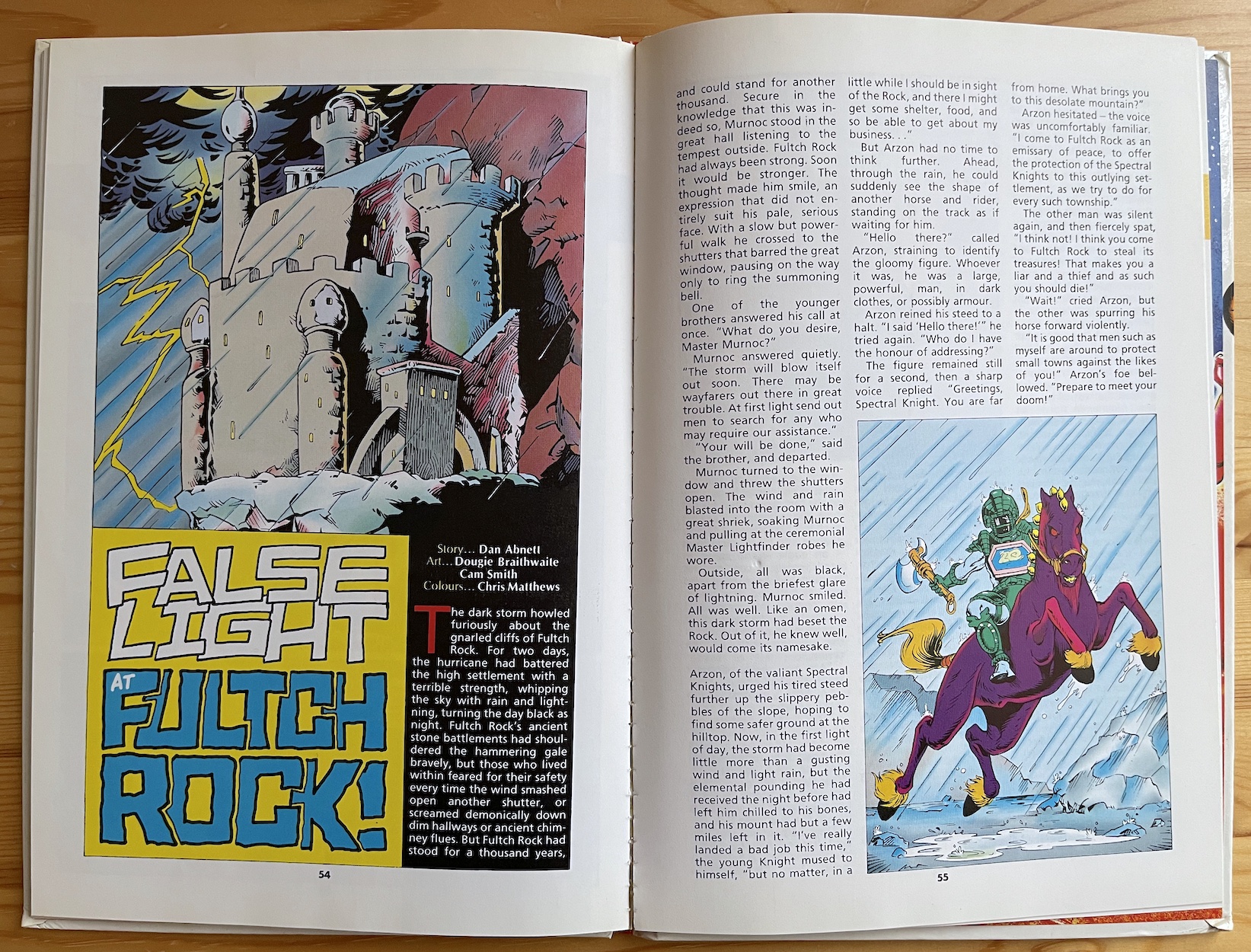
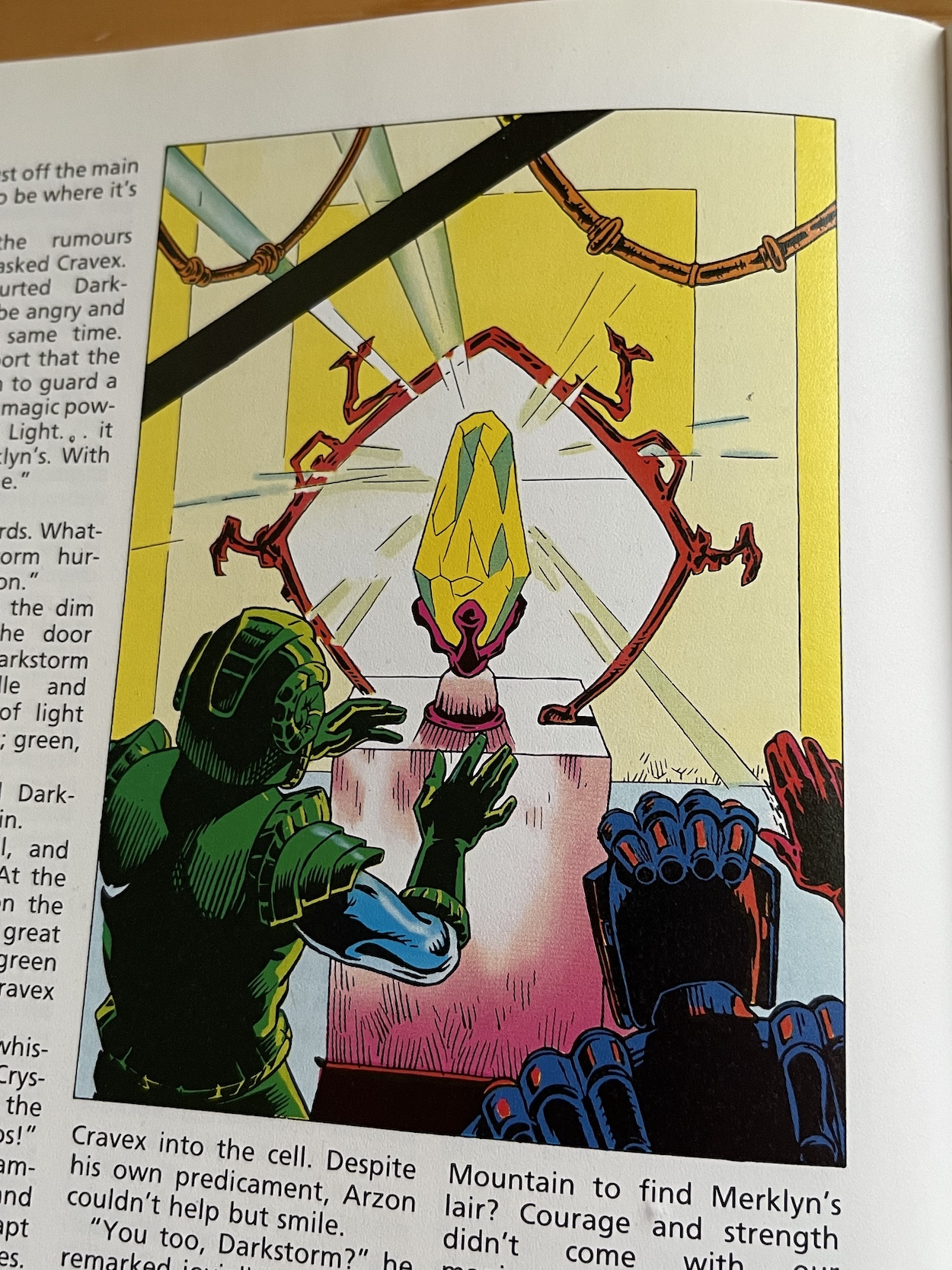
The second prose story is the final new Visionaries story of the whole run, so in hindsight it has an awful lot to live up to. I’m very happy to say it does so with aplomb. False Light at Fulch Rock stars Arzon, Darkstorm and Cravex and is written by Dan Abnett (Doctor Who, Knights of Pendragon and a legend on The Real Ghostbusters), with accompanying art by Dougie Braithwaite and Cam Smith (Supergirl, Sinister Dexter, New Mutants), and colours by Chris Mattews (Thundercats, Mighty Max).
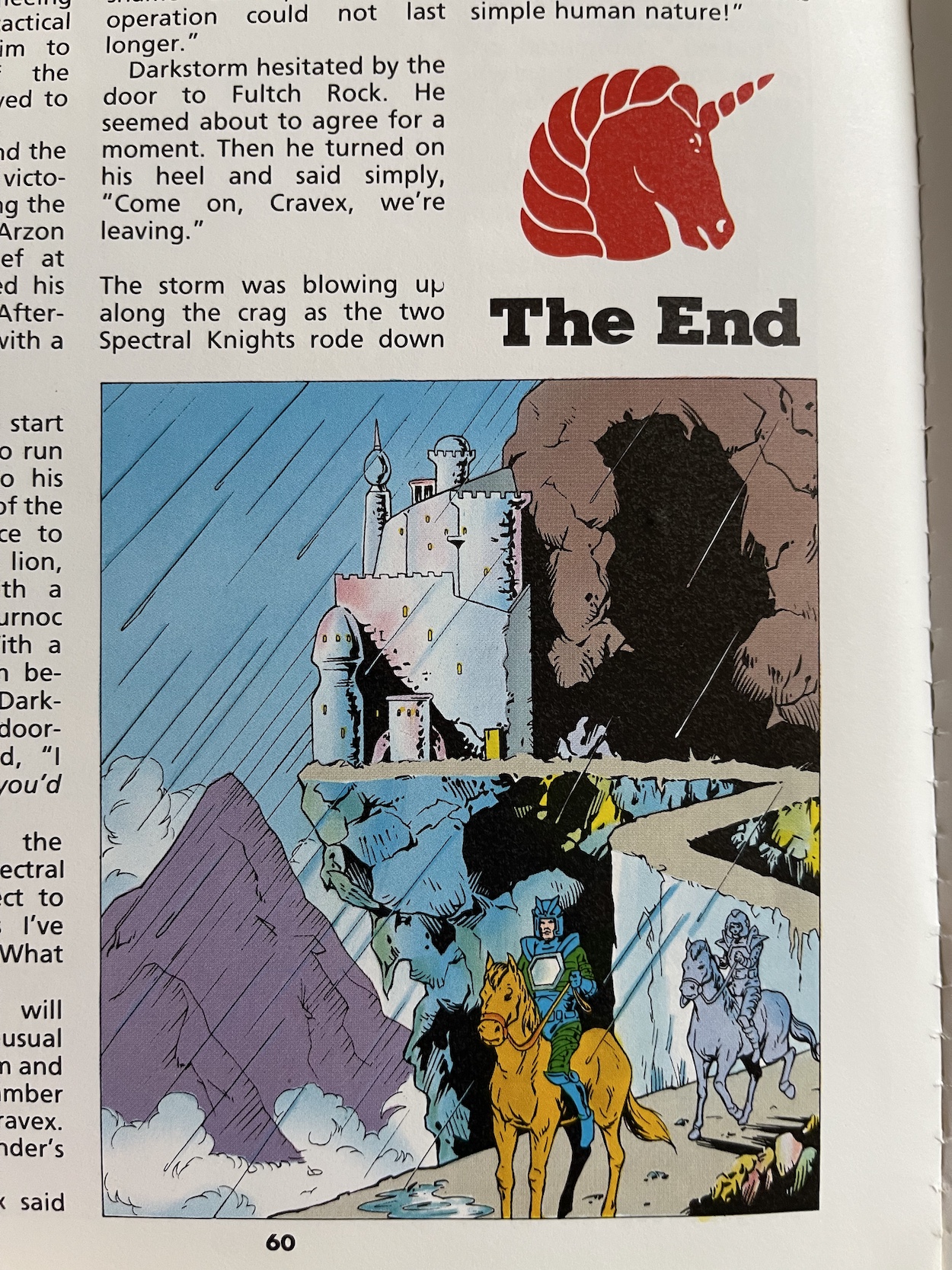
I was won over from the very first sentence, which paints the picture of a monastery on a cliff edge in the middle of a “dark storm”. With an image of the similarly named leader of the Darkling Lords on a purple horse across the page it immediately draws you in; we’re in for a treat with this one in atmosphere alone. However, everything else about the story is a winner too.
Darkstorm: “The Crystal of Light. With it, I will be supreme.”
Cravex: “You?”
Darkstorm: “The Darkling Lords. Whatever. Now come on!”
It tells the story of the Knights and Lords travelling to townships offering protection in this new dangerous age and Arzon’s next stop is Fulch Rock where the Order of the Lightfinders have taken refuge, led by Murnoc. Before he can get inside he’s set upon by Darkstorm and Cravex, barely escaping thanks to his Power of Knowledge spell poem, with which he’s able to predict the most likely next attack from his foes. However, he eventually falls over the cliff, transforming into his eagle form at the last second, slowing his decent enough to survive although he’s badly injured. He’s found by the Lightfinders and brought inside, where Darkstorm is ordered not to harm Murnoc’s guest while he works out which side to accept protection from.
It’s a great start. The rest of the story explains how the Lords are only offering protection because of the rumour of a Crystal of Light much like Merklynn’s hidden inside. There’s some cracking dialogue here which we’ve come to expect from Marvel UK text stories and in the end we find out it’s all been a ruse to lure the Lords there to steal their armour, what these religious nuts call “Aftertech” and view as their salvation, to power themselves and take over the land. The crystal is a fake and the three Visionaries must work together to escape due to the vast numbers of followers Murnoc has amassed.
Dan’s writing paints a picture in the mind and I think the story works so much better as prose than I think a strip would have. The Visionaries comic was always very good at building atmosphere with its descriptive panels, but having what is essentially seven pages of that kind of writing is something else. After the final battle Arzon tells Darkstorm the lesson to be learned is not judging others by appearance alone and that it’s a shame the two sides, so formidable together for the greater good, couldn’t work together to rebuild the planet. Darkstorm actually hesitates here. But in the end they leave as enemies. It’s a nicely written reference back to the monthly and the fact Darkstorm truly believed he was just doing what was best for his world.
See if you can track the whole series down, you’ll enjoy some of the very best 80s comics you’re ever likely to read
So if you’ve read the strip already is it worth your while picking this book up? Most definitely. The exclusive art and text stories are worth the entry fee and it’s essential for the completist. It’s also a bittersweet moment because as I finished Fulch Rock I realised that was the last story these wonderful characters had. There’d be a Spring Special a few months into 1989 which was a page-for-page reprint of #5 of the comic, released to plug the fact Visionaries were returning to the Transformers comic, which I’m reading in real time on the blog’s Instagram. But when they did reappear it was yet another reprint of The End… The Beginning, making it three times it was published in the UK in one year!
It’s been a blast reliving the feeling of receiving this annual all those years ago. It’s sad to know there are no more stories to come when the comic had some of the greatest potential of any licenced title. It started off in such strong shape and was developing so fast. I truly believe it’s a great loss we didn’t get to see what could’ve happened if the lifespan fellow Hasbro franchises like Transformers and G.I. Joe had, had been granted to the Visionaries.
After Christmas get yourself on to eBay and see if you can track the whole series down (it won’t take too long to complete), you’ll enjoy some of the very best 80s comics you’re ever likely to read.




 OiNK Blog