
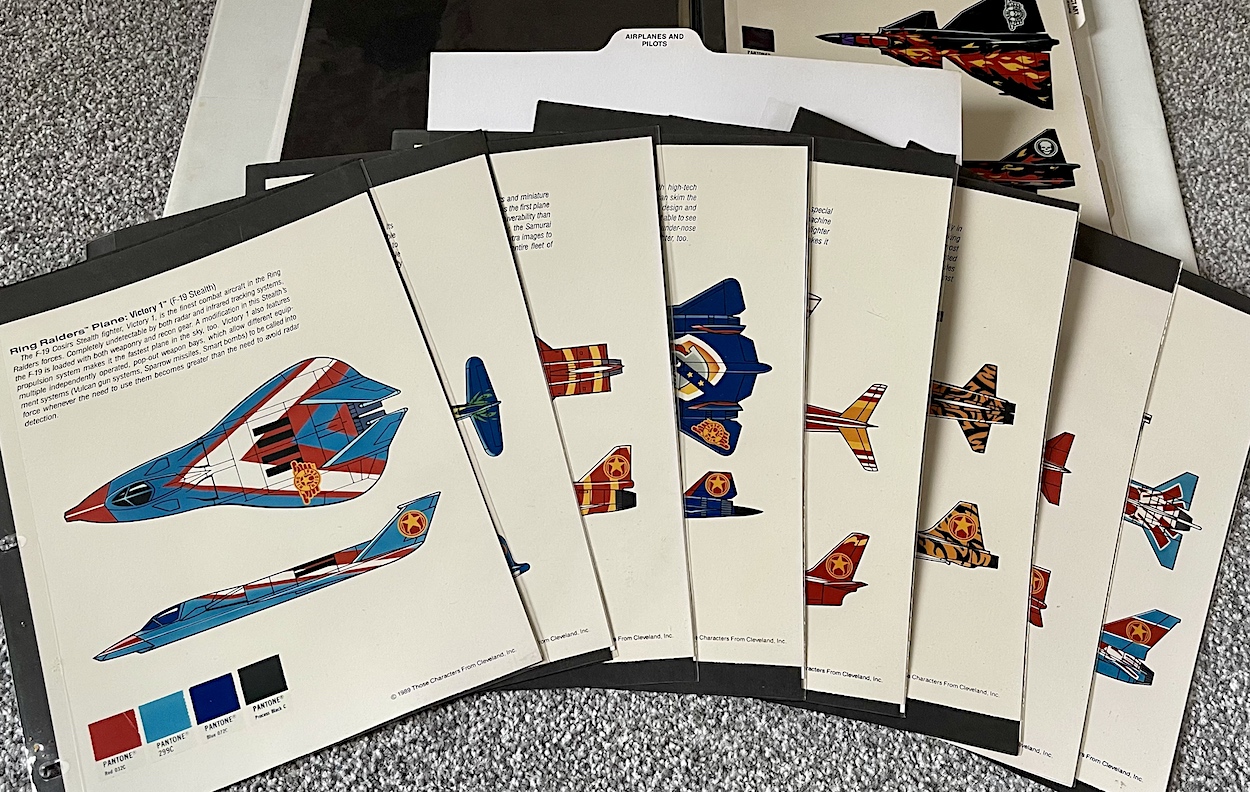
I’m back with the second part of the Ring Raiders Style Guide folder sent to licensees of the potential hit franchise in 1988, this particular copy very graciously given to me by Barrie and James Tomlinson, father and son editing and writing team behind Fleetway’s short-lived but awesome Ring Raiders comic. I previously covered the introduction to the toy range, the background story and a couple of examples of the mini-comics packaged in with the Matchbox planes. Now we move on to the meat of the folder.
The next section is all about the planes and their pilots and there’s so much here I’ve decided to divide it into two parts, this month focussing on the heroic Raiders themselves. Included are eight of the Wing Commanders and their aircraft over sixteen pages, including top and side views of the planes and a full view of the pilot with a little bit of written information about each of them. We begin with their leader, Ring Commander Victor Vector and his F-19 Stealth fighter codenamed Victory 1, and “Salty” Salton with his Corsair Sea Dragon.
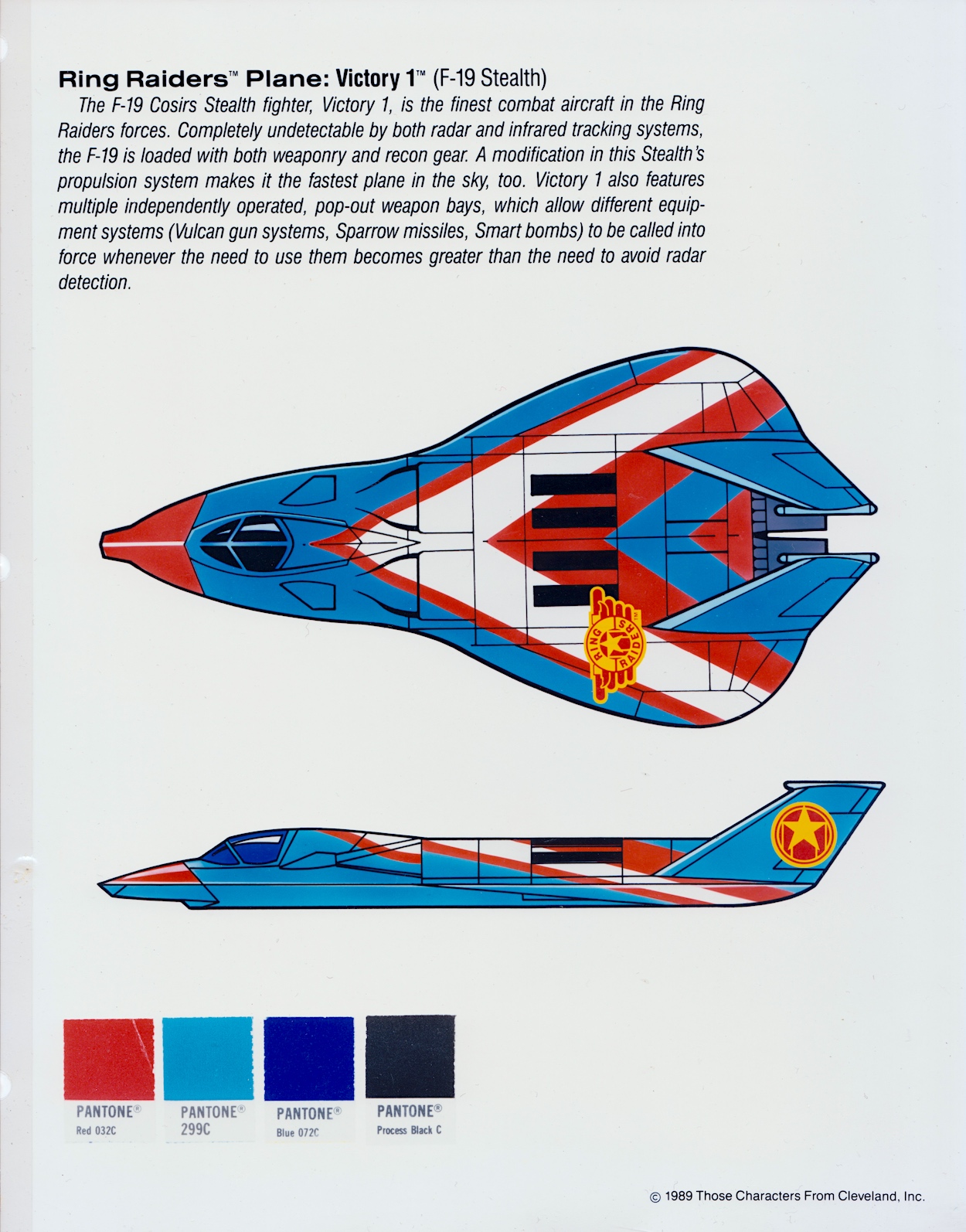
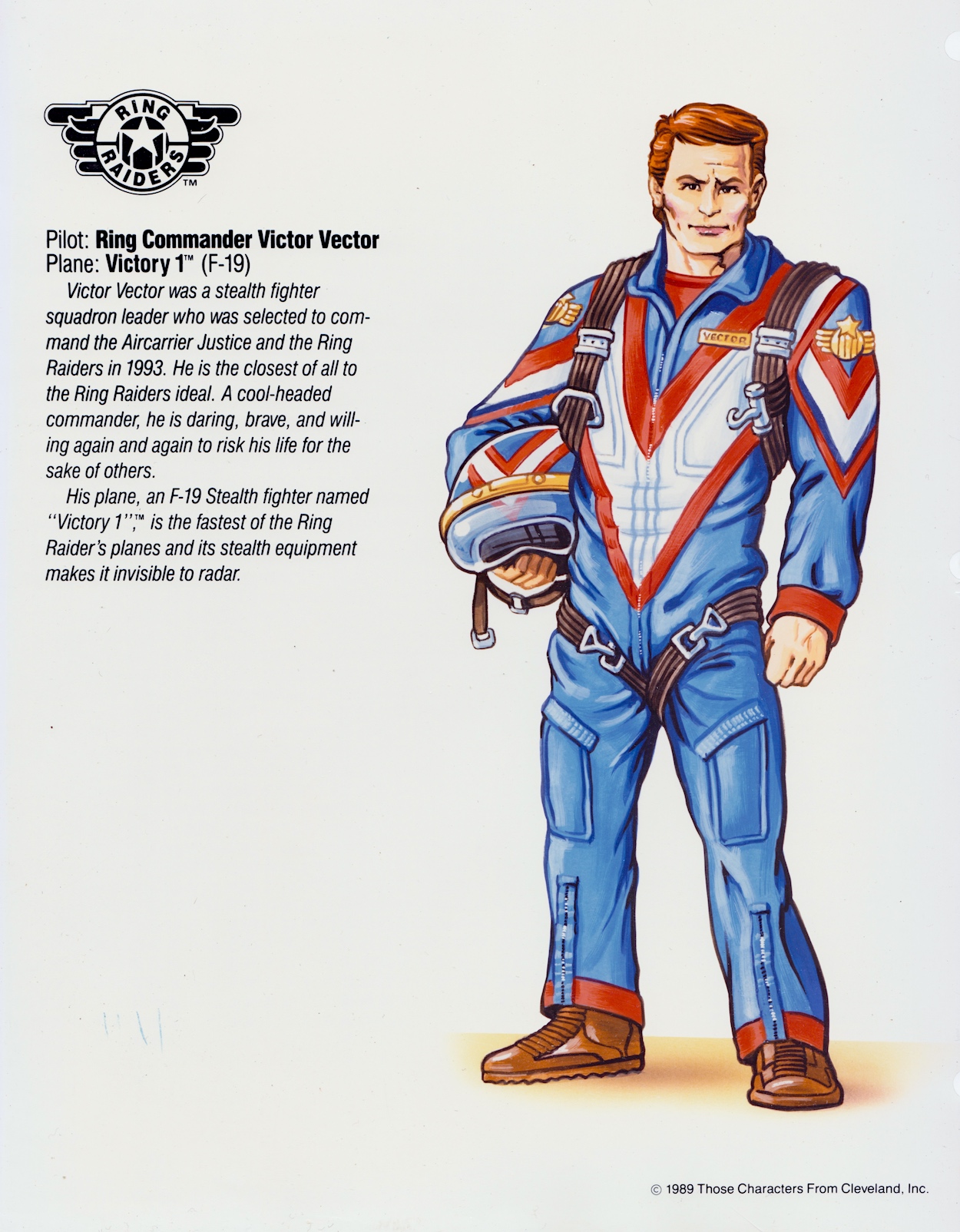
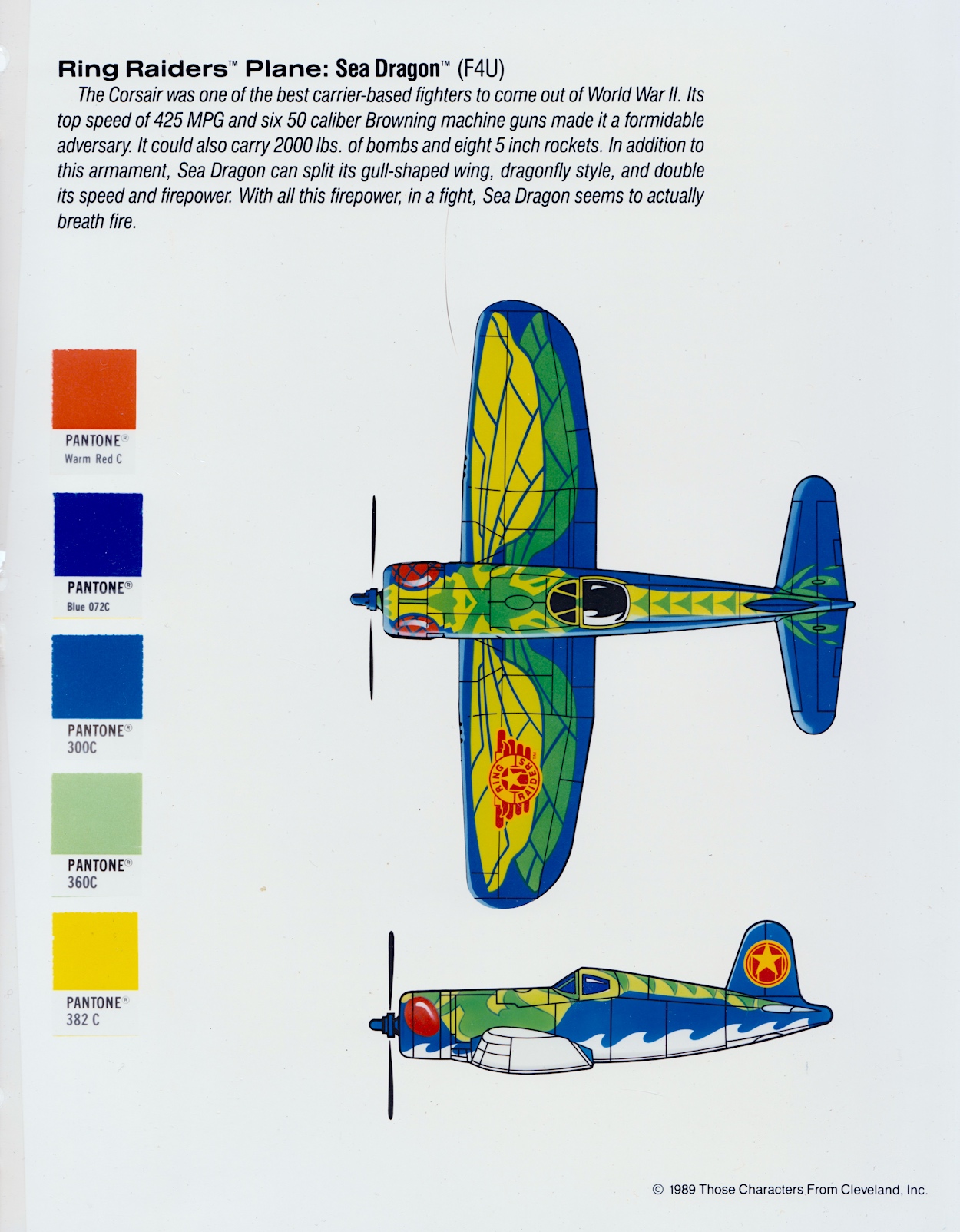
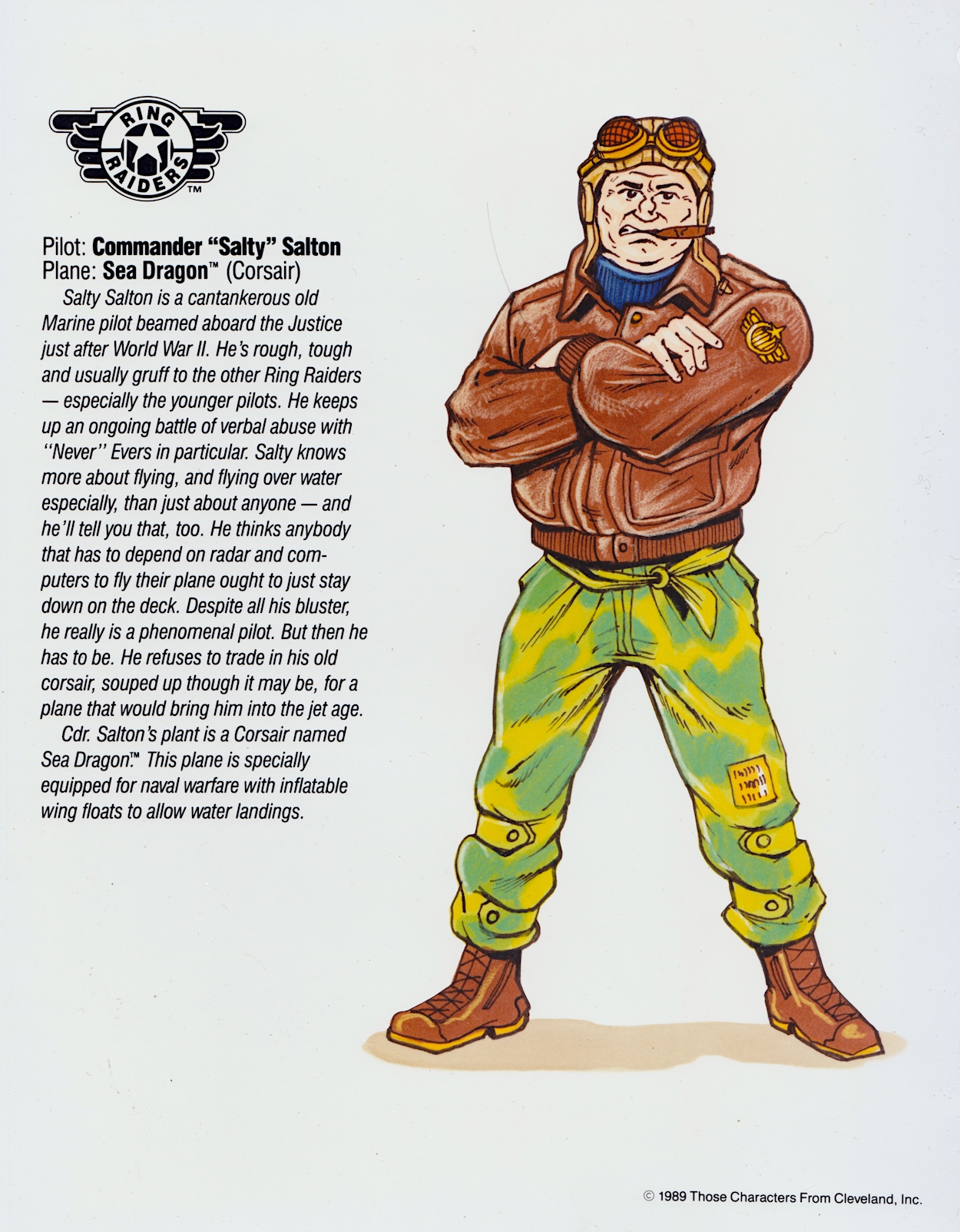
The basic details about the human element of each pairing would be elaborated on by the comic although the basics remained. It’s fun for me to remember all of those little details about the planes, such as weapons panels that were meant to slide open, wings that could split in two or underbellies that had inflatables built in. Of course the Matchbox toys were so dinky none of these were actually included but in our imaginations they were there and deployed often, not that it mattered with Salty because he was never a toy! More on that below.
For such small toys they had intricately moulded details. The panels may not have opened, but they were all there; the bodywork of the planes looked and felt authentic in our tiny hands. What else would you expect from Matchbox? The next couple includes my absolute favourite, the X-29 Samurai Flyer flown by Yasuo Yakamura, the first plane I owned (alongside a Skull Squadron plane I’ll show you next time). It was just the coolest toy ever!
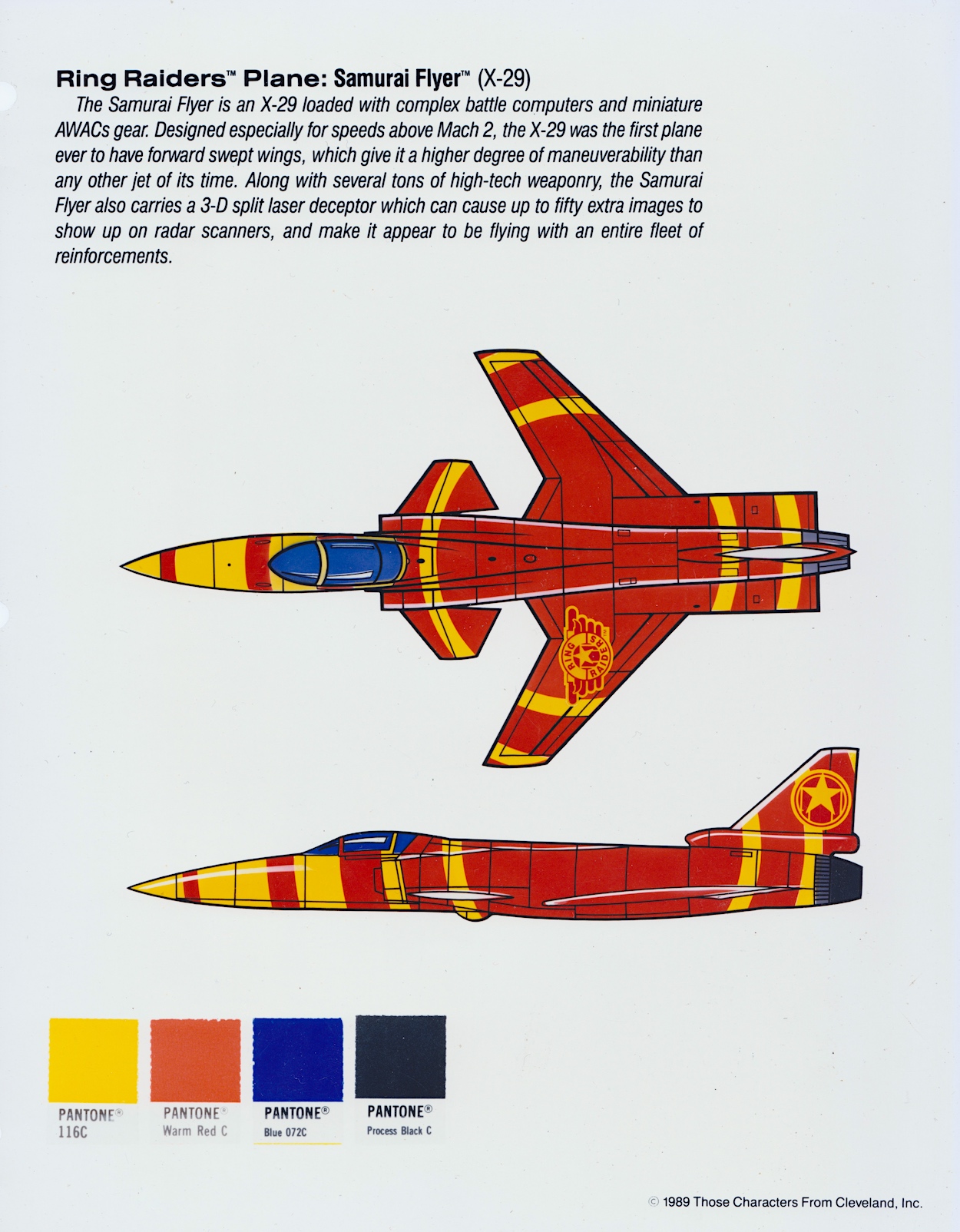
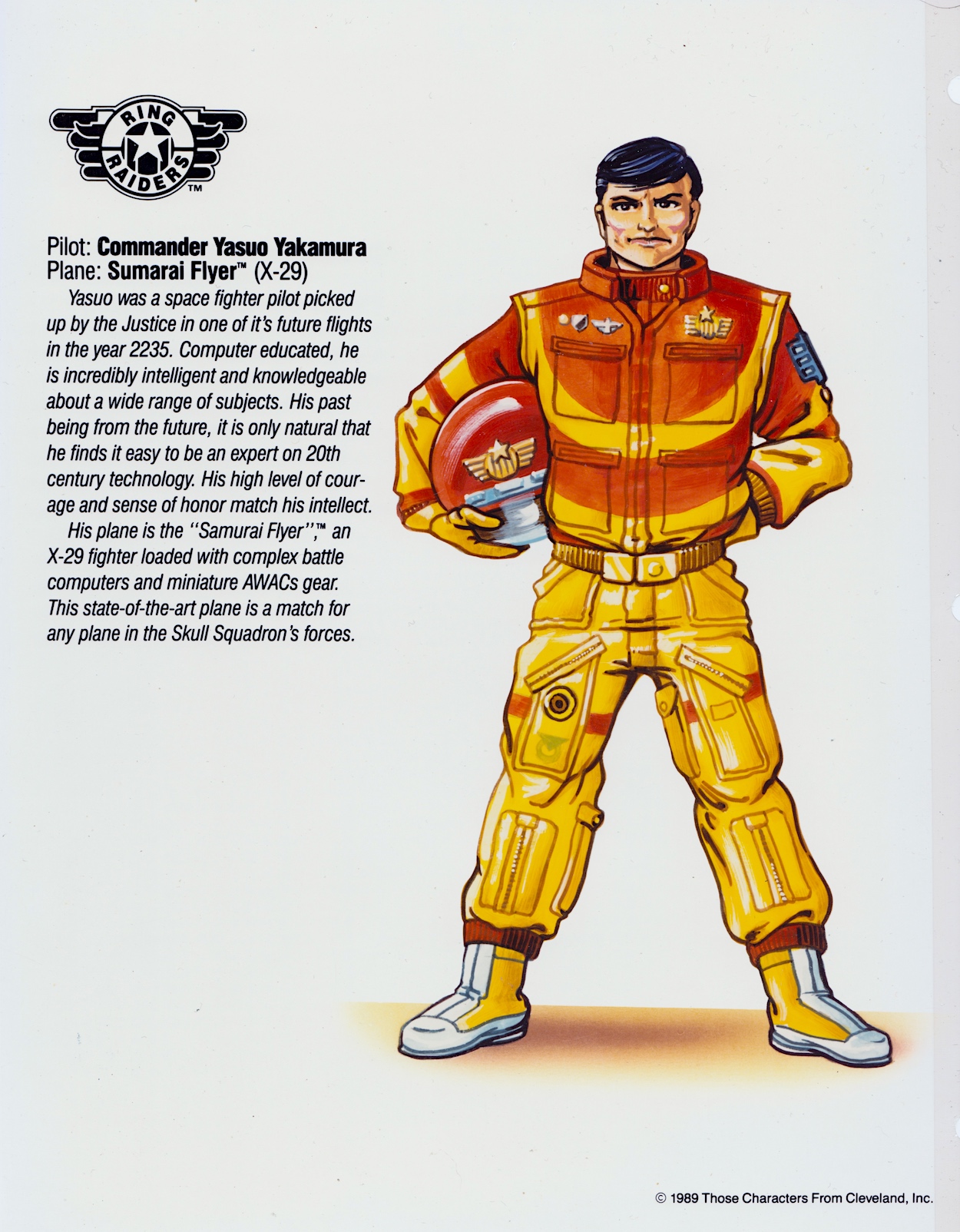
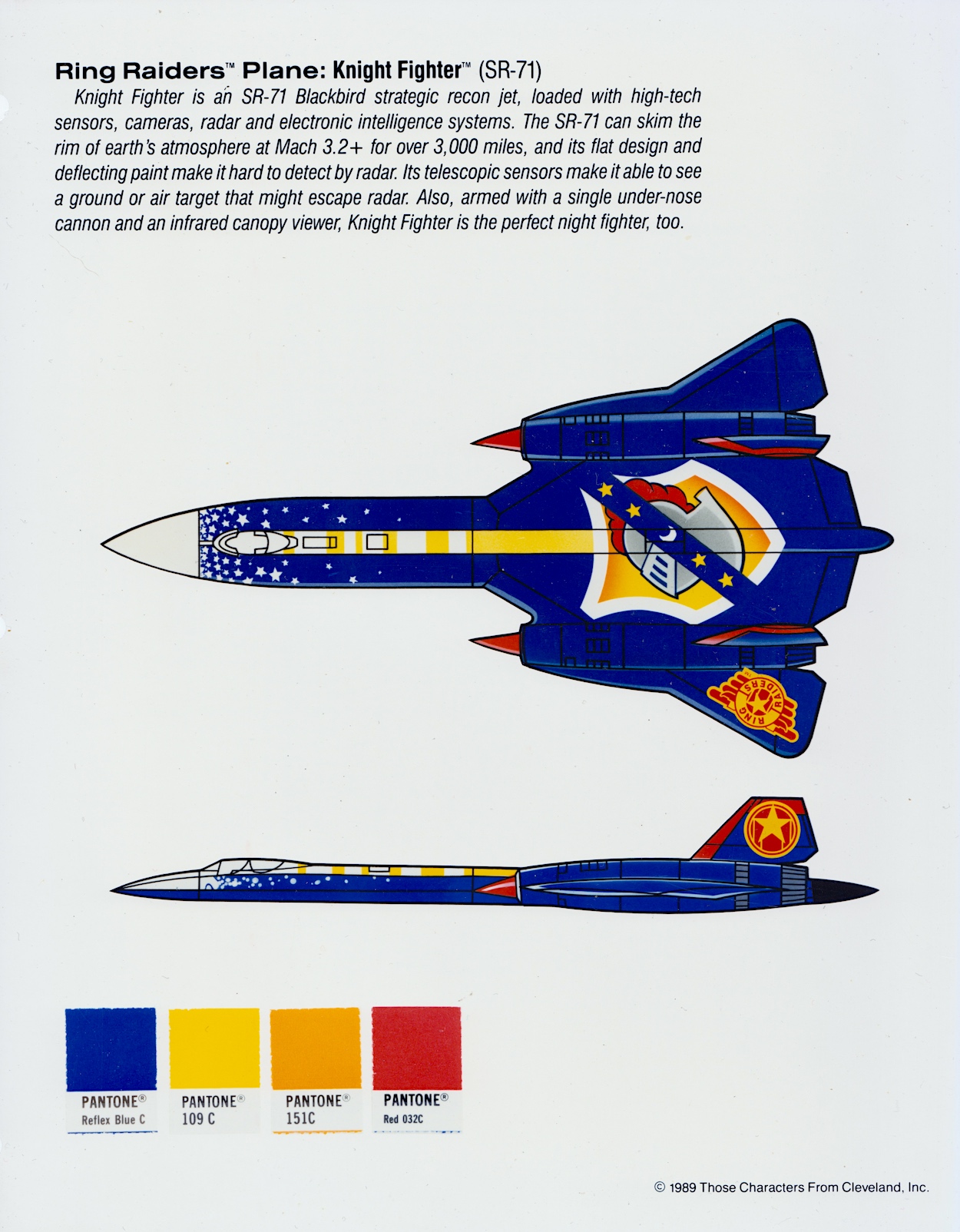
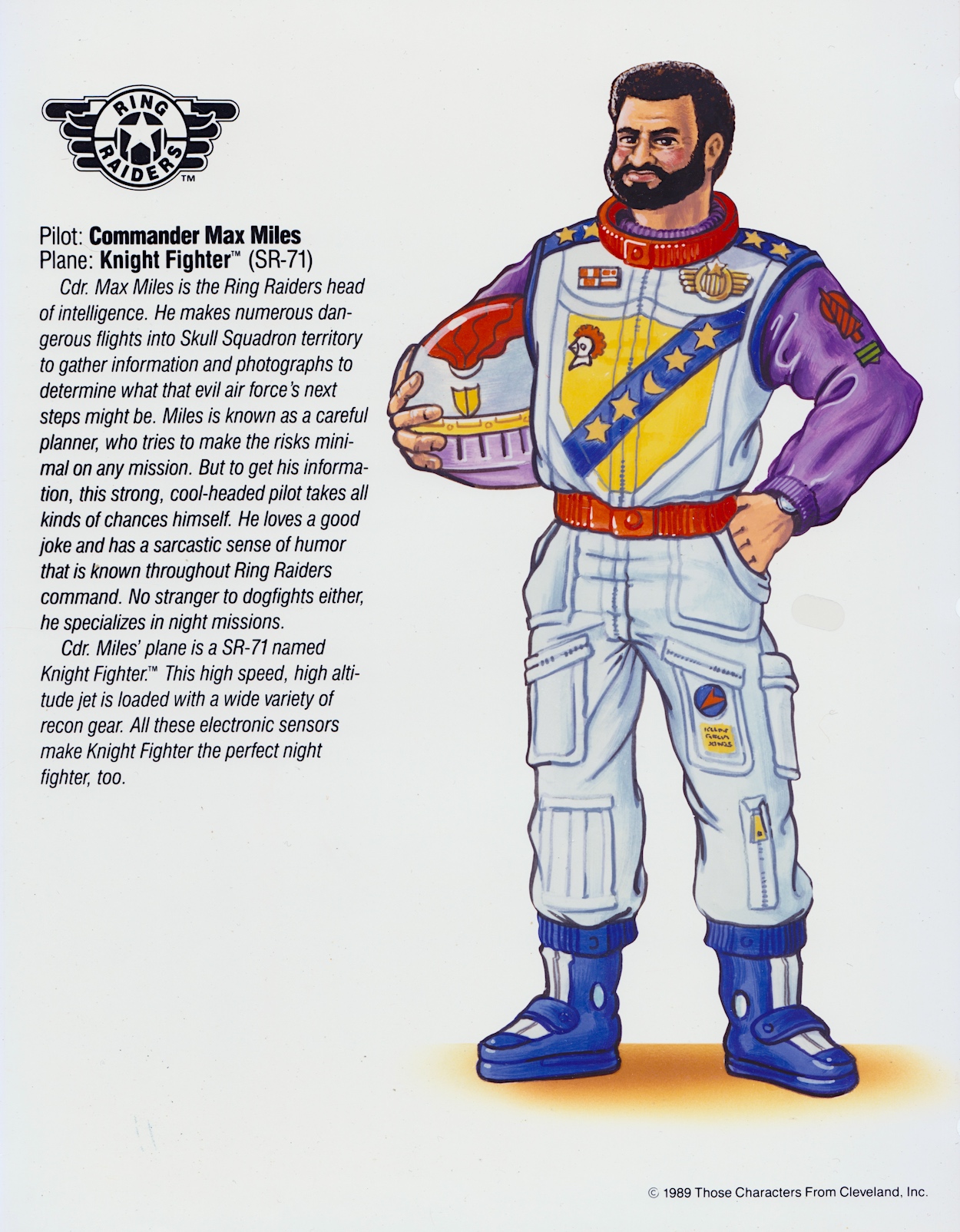
I had most of the wings from the first series, although at the time I never thought about the coincidence that the Knight Fighter was flown by a pilot called Max Miles. The coincidence I’m thinking of? Knight Rider and one of its characters, Devon Miles. Maybe one day I’ll find out if there’s more to that than just coincidence. For now, what about those colour codes?
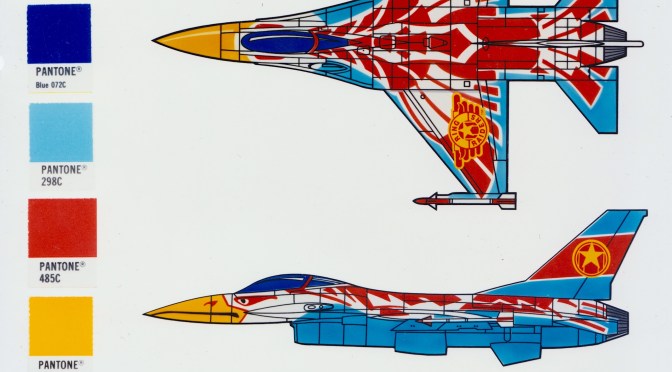
Even if these pages were sent in black and white it wouldn’t matter because the artist could use the Pantone code
The Pantone company’s Pantone Matching System is a standard colour chart used across various industries. It ensures correct use of exacting colours and licence holders Those Characters From Cleveland have used it here. They understood how important it was that all those little Matchbox toys were exactly as designed and that every bit of merchandise, like our comic, didn’t deviate.
I’d never given a thought to how precise things like this would have to be but it makes perfect sense of course. It’s a level of detail in this folder I didn’t expect to see. By using this system and its naming of the tones it also stops any accidental colour changes, for example if these pages were photocopied or faxed to the artists. Even if they ended up being sent in black and white it wouldn’t matter because the artist could use the Pantone code.
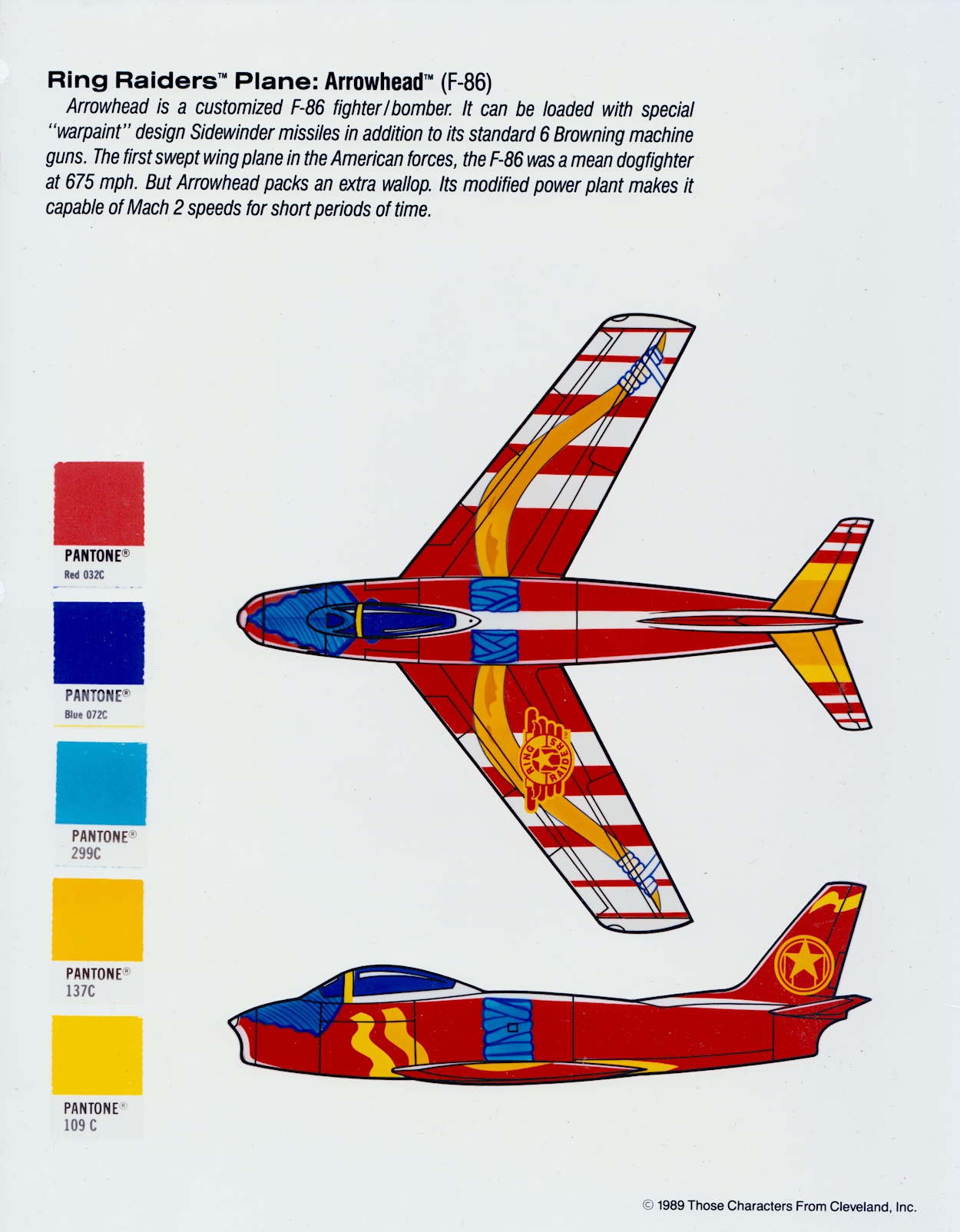
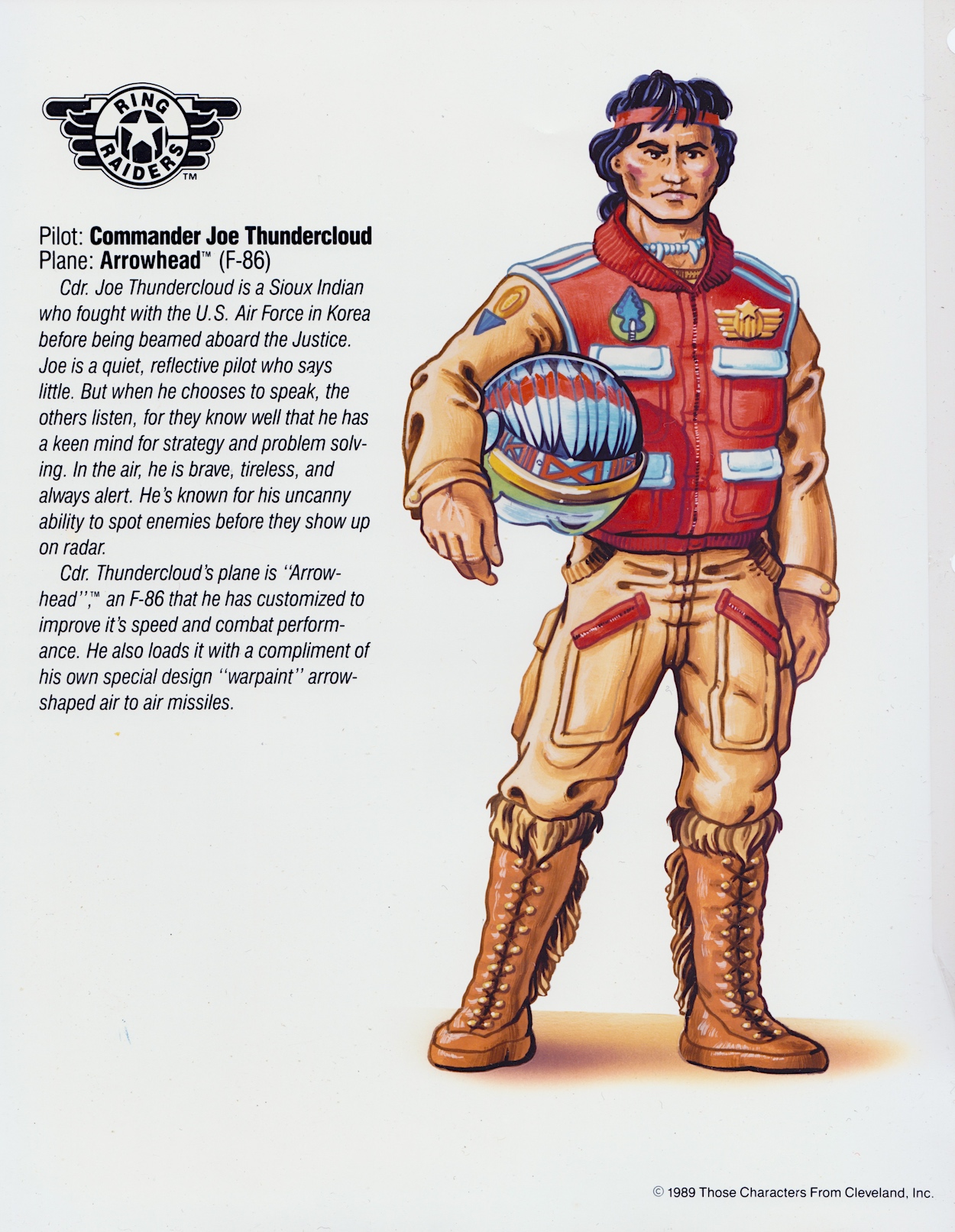
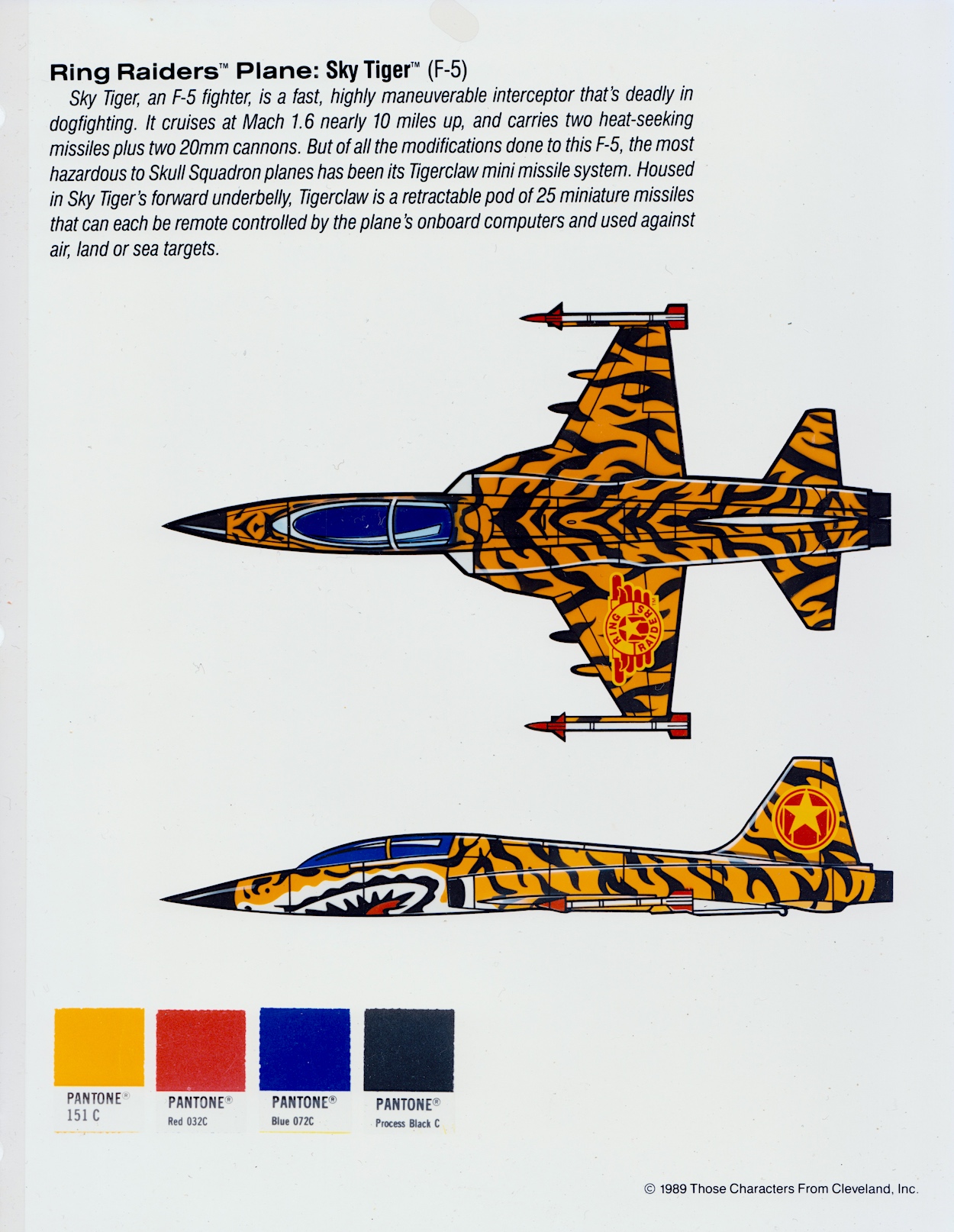
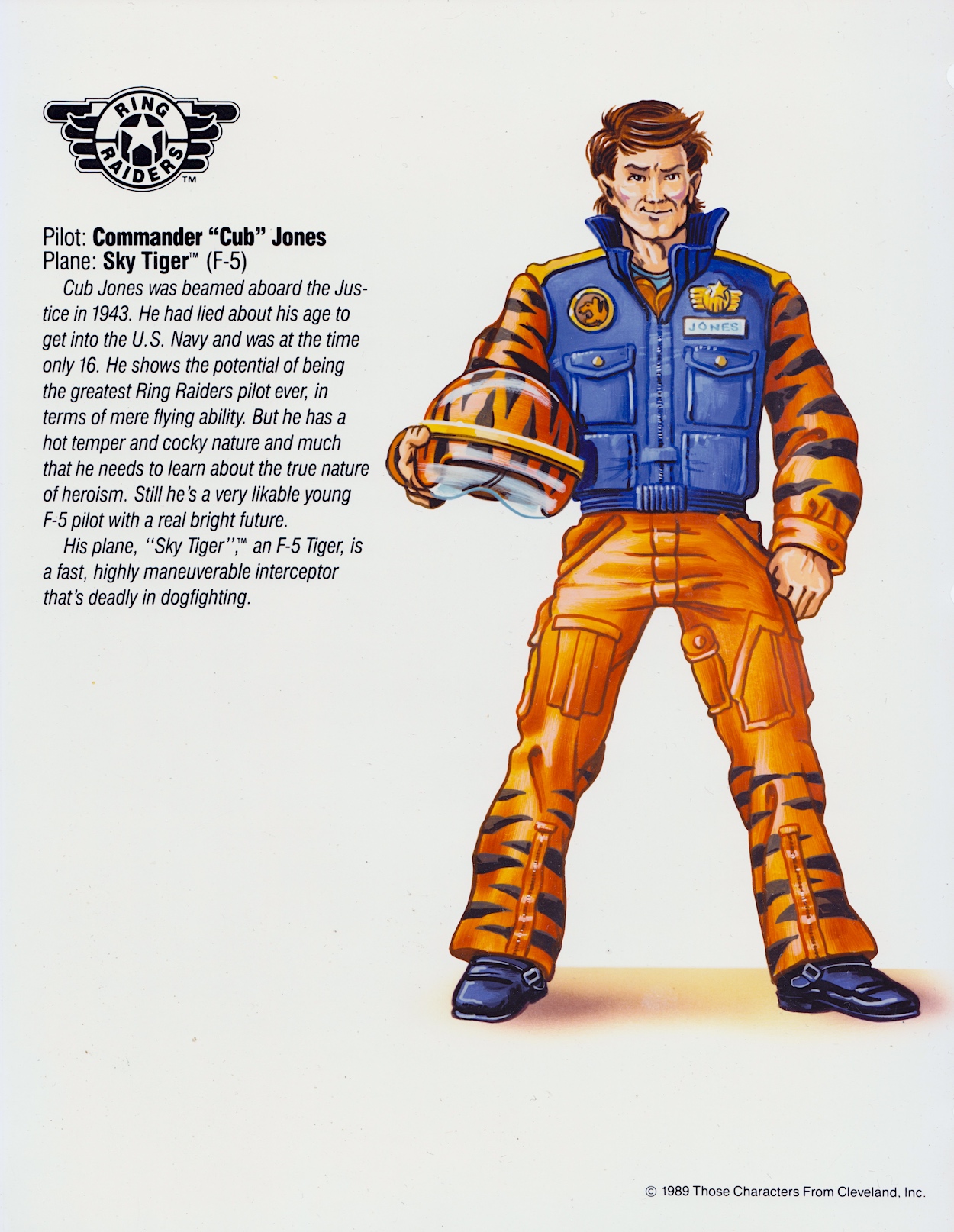
When you consider how small the planes were it’s pretty incredible to see precise colour codes for such teeny tiny details as the darker blue outlines of Joe Thundercloud’s F-86. “Cub” Jones’ F-5 Sky Tiger with its animal markings was a really cool plane to own at the time. Note that the page also mentions the mini missile system, something else our imaginations ran with. James actually wrote it into a script, brought to life by artist Don Wazejewski.
Cub’s background was also one I enjoyed and it brought a personal touch to the World War II story featured in the early issues of the comic. However, for whatever reason the cartoon did away with this completely and made him a modern day rookie Ring Raider pilot. I’m surprised they were allowed to change a key element of a character so drastically. The comic proved this original version could be so much more interesting.
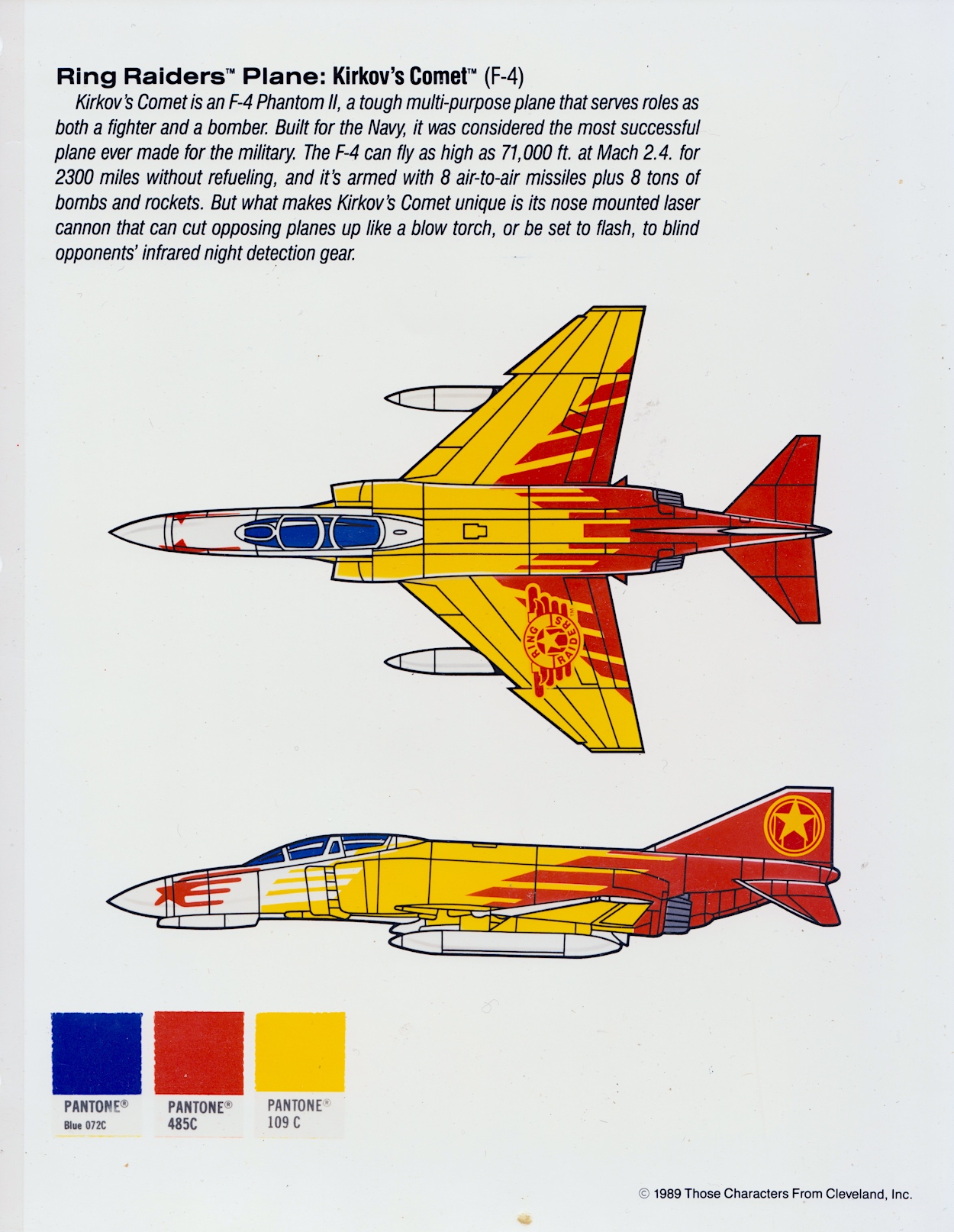
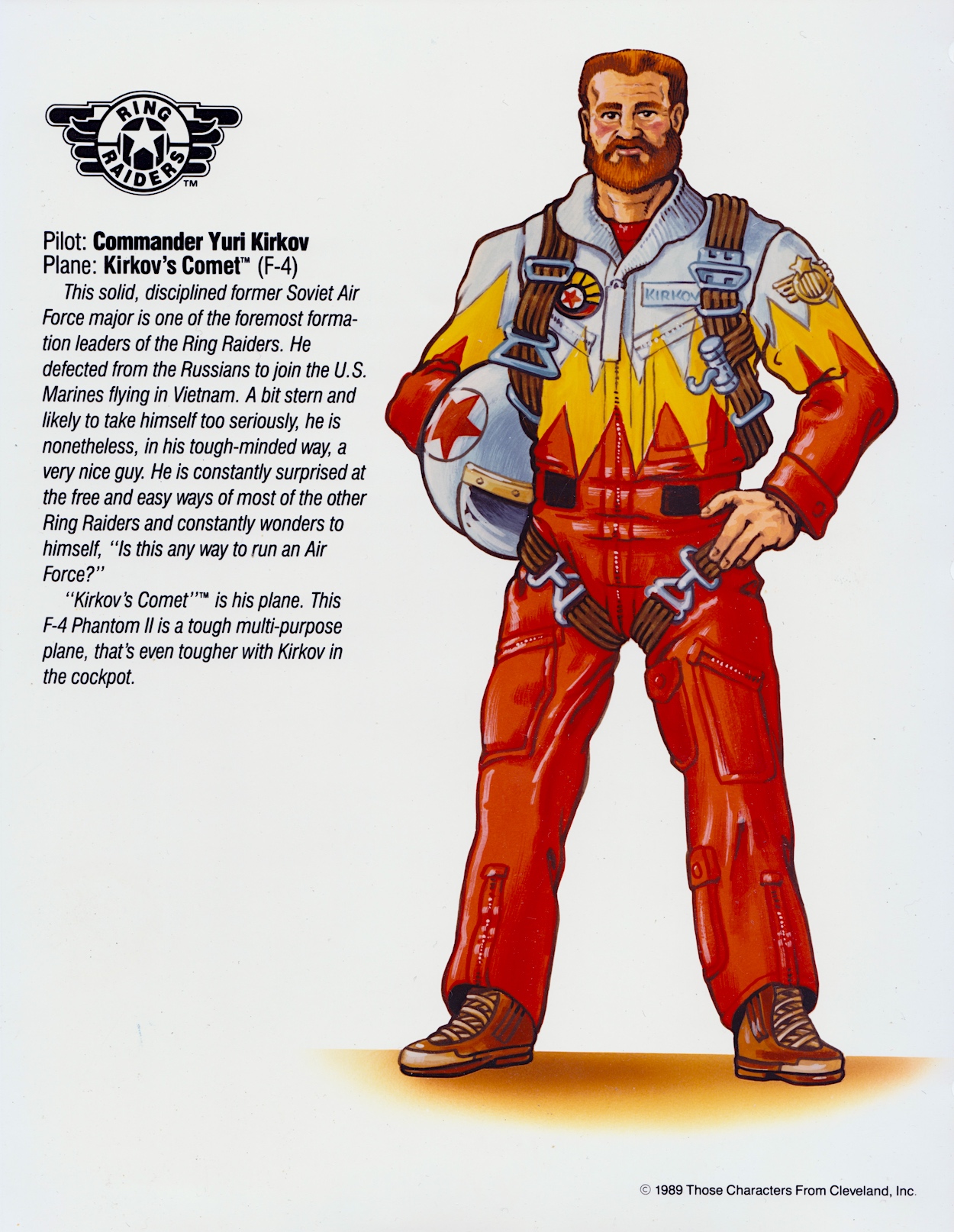
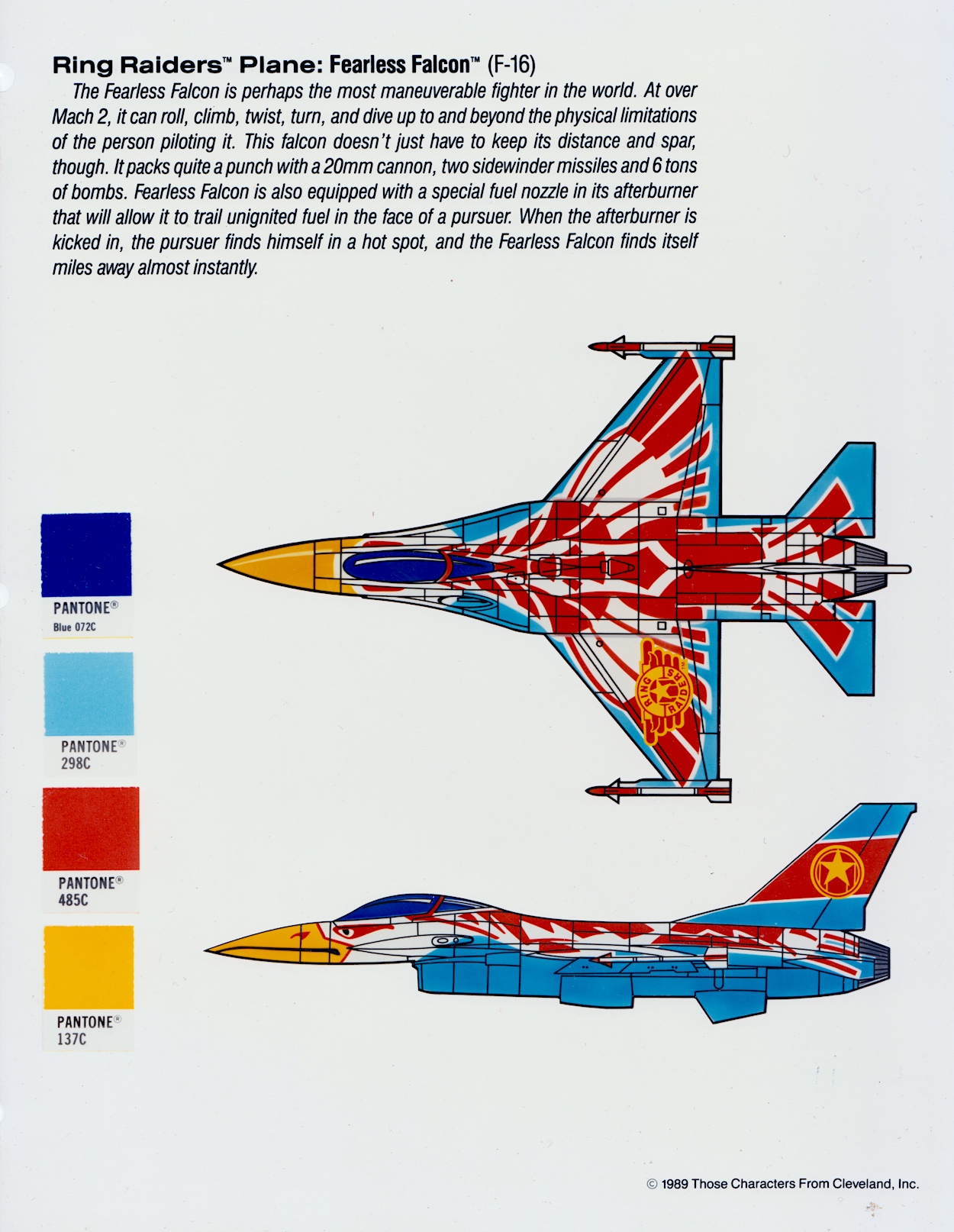
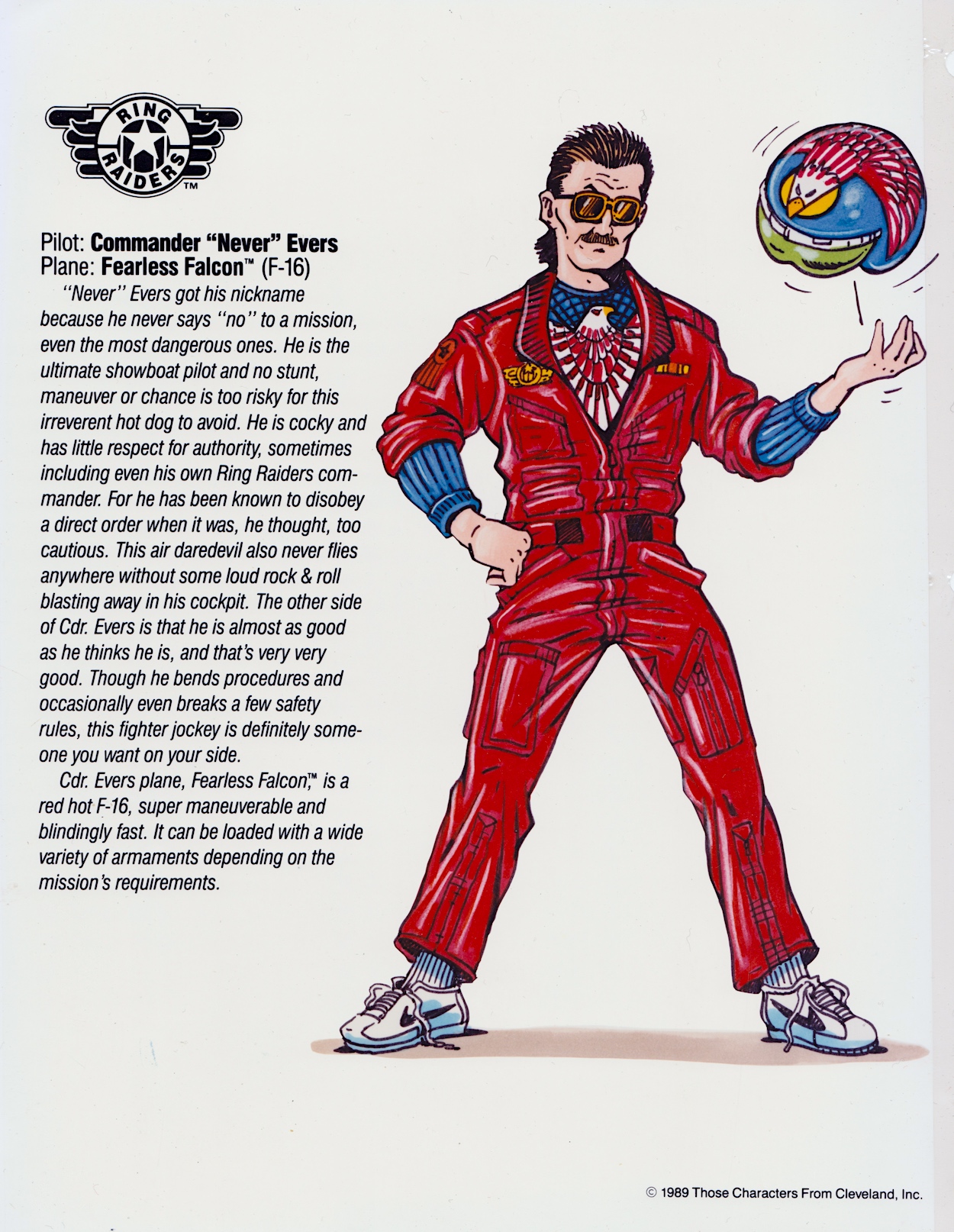
Finally for this month are Yuri Kirkov’s F-4 Comet, a favourite toy of mine. In fact, his entire wing was a favourite, the colour scheme of the lead plane used across the three accompanying aircraft (like most of the wings), they really did look quite incredible to my young eyes. I was thrilled to see his Wing getting a starring role in a gorgeous Sandy James strip.
Go check that out to see just how brilliant Sandy was at bringing this toy to life. It’s the perfect example of what the comic could do. Before writing this post I thought Commander “Never” Evers and his F-16 Fearless Falcon was that rare thing, a Ring Raiders set I didn’t actually own. I thought, looking at its design, that I’d really missed out. But a fellow fan informed me that Evers and Salty were never actually released as toys, despite being official characters and planes, both featuring in the comic and the cartoon. How strange.
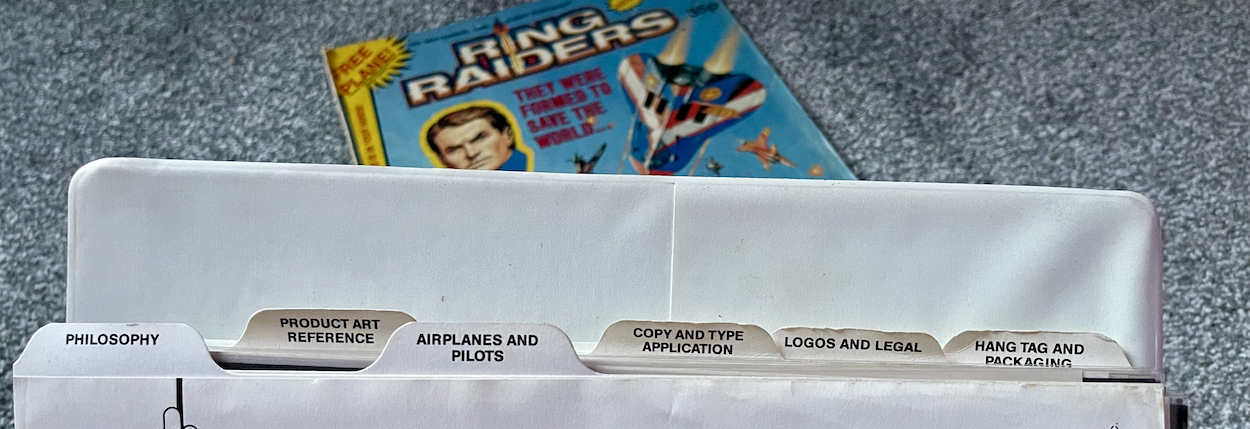
That’s the first half of the Airplanes and Pilots section covered, all the leader craft and characters in the toy range for the good guys done and dusted. I’m excited about doing the same for the Skull Squadron next month, even more excited to show fans what’s to follow after that. Whether you were as obsessed as I was with Ring Raiders or you’re interested in the production of licensed comics, I hope you’re enjoying this series so far.
The Skull Squadron takeover happens on Wednesday 13th March 2024.
PART ONE < > PART THREE
 OiNK Blog