
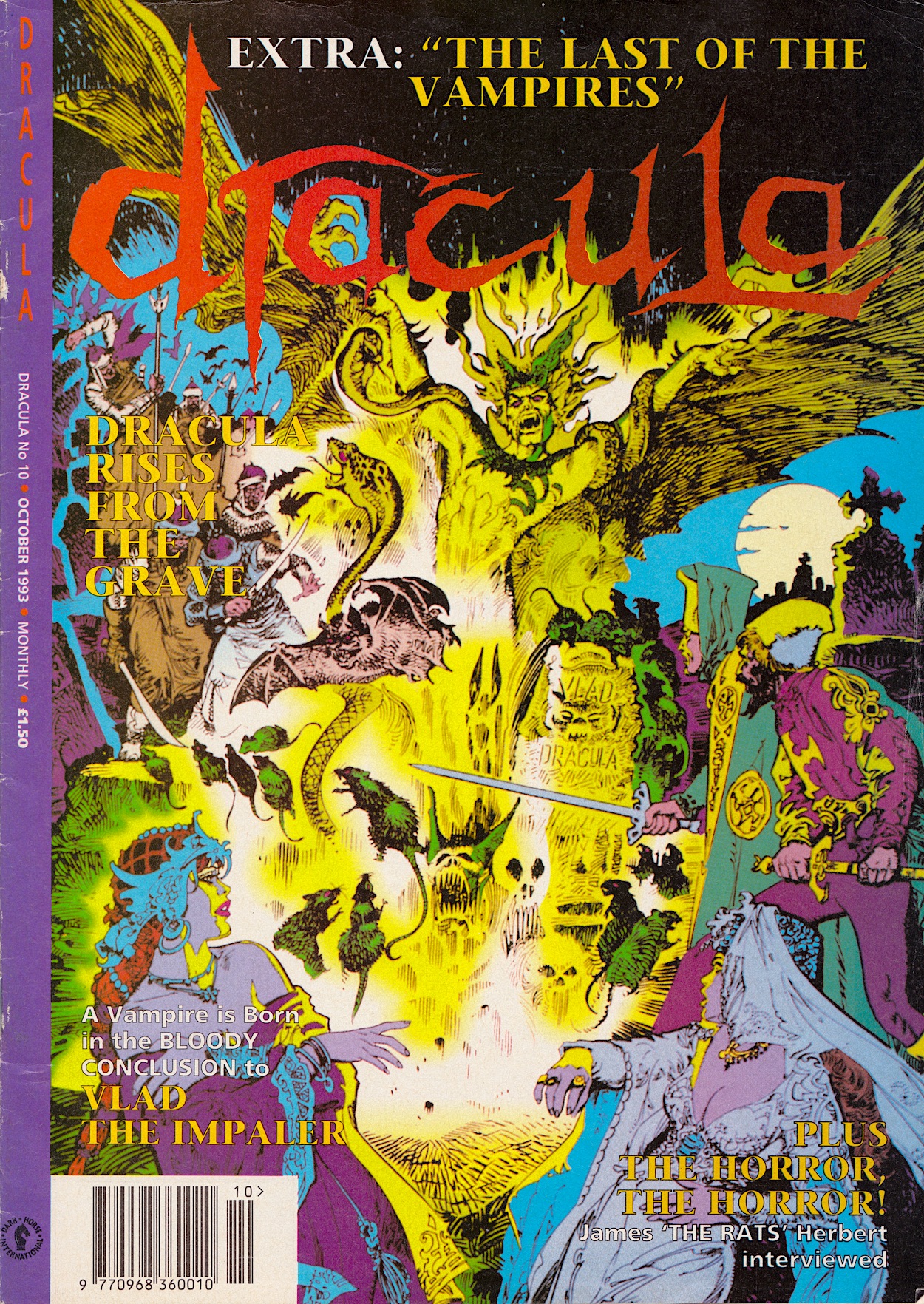
Esteban Maroto’s glorious cover gives the impression of a comic in rude health. Dark Horse International’s usual penchant for almost unreadable headlines hides what sounds like a particularly exciting issue for those that had stayed with Dracula this long after the association with the movie had ended. However, upon opening the issue we’re met with an editorial containing the round up of what’s happened in the main strip (instead of it being given its own page) and a “special message”.
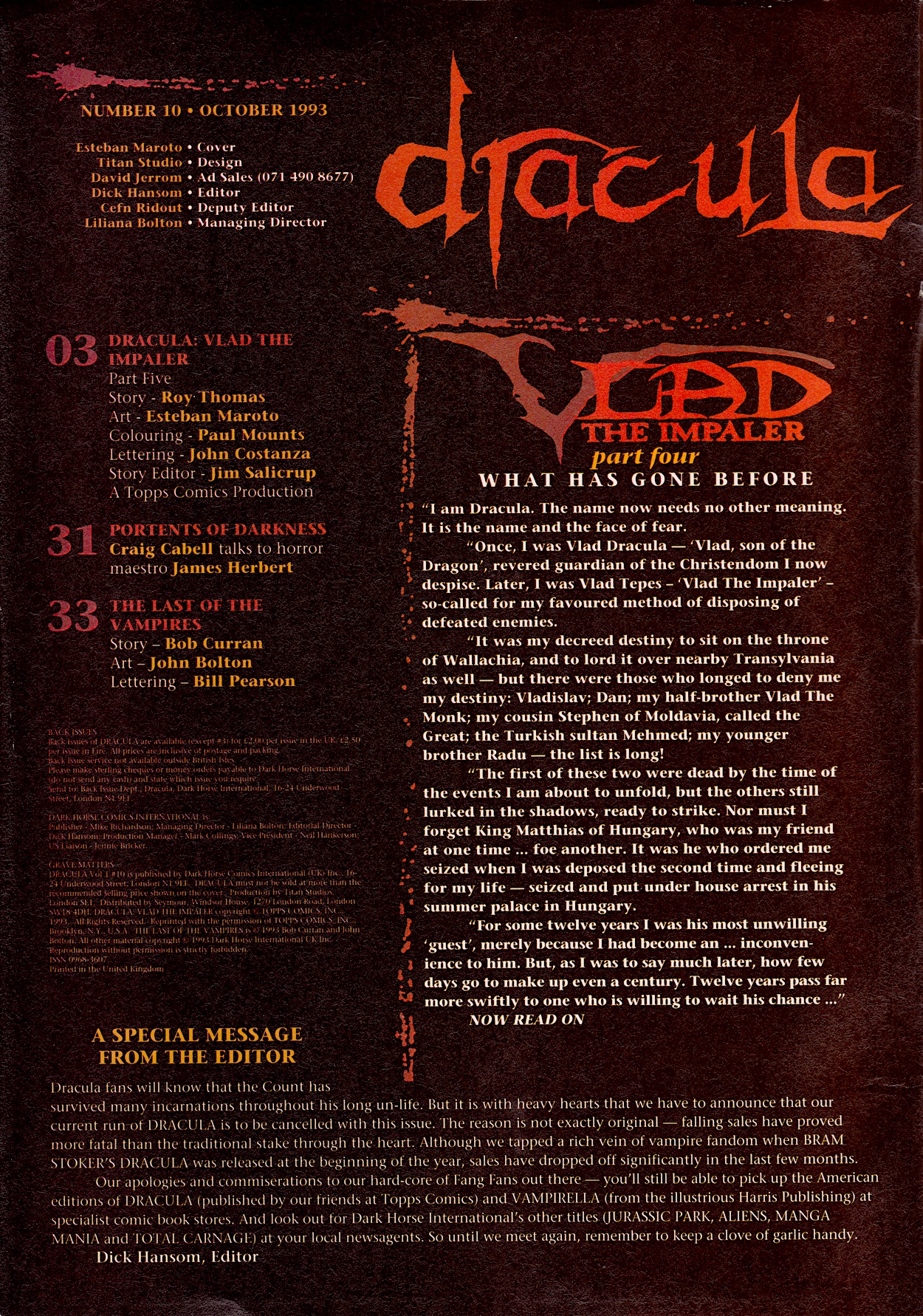
Respect to editor Dick Hansom for telling the readers the truth rather than the next issue not appearing, something many comics in the 90s did, including DHI’s own titles. Although, he says readers can continue to read imported Topps Comics Dracula comics. Having researched these, alongside Vlad the Impaler (which concludes here) I can only find a Dracula Versus Zorro mini-series from the same year. Perhaps cancellation was the preferred option after all.
What Has Gone Before is part of the editorial to make room for the 28 pages of To Rise Again from the usual team of writer Roy Thomas, artist Esteban, colourist Paul Mounts and letterer John Costanza. It begins with Vlad beheading a King’s guard who tried to forcibly remove a thief from Castle Dracula who had begged for sanctuary. The guard insists the thief hadn’t asked permission. However, the guard also hadn’t before placing his foot across the threshold.
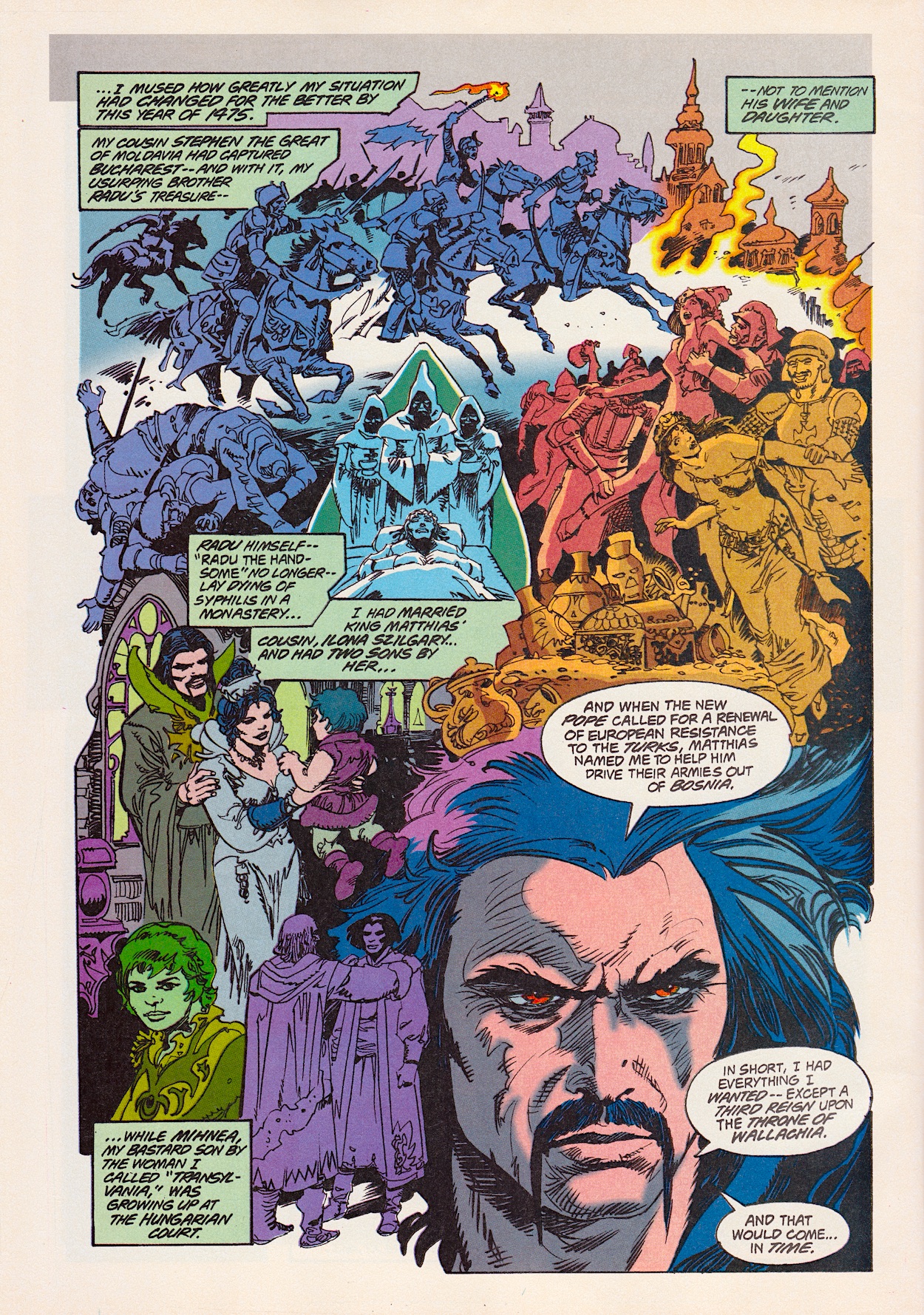
The King of Hungary, who had kept Vlad captive up until now, gives him an army to lead against the Turks, hoping Vlad’s viciousness will help him in his dire situation and lead to more impalements across the land. However, another of the King’s allies, Stephen Bathory wants Transylvania as thanks for his own help and Vlad is left with Wallachia, which he becomes ruler of again after his younger brother, Prince Radu dies of syphilis.
On a few occasions Vlad’s narration laments his own decisions, defending himself by reminding us he was only human at the time. For example, he didn’t know he had only two months left to live and wishes he’d made better choices, in particular with his family; he’s now married to the King’s cousin, they have two children and are in love as opposed to his previous wife who he’d forced into a relationship.
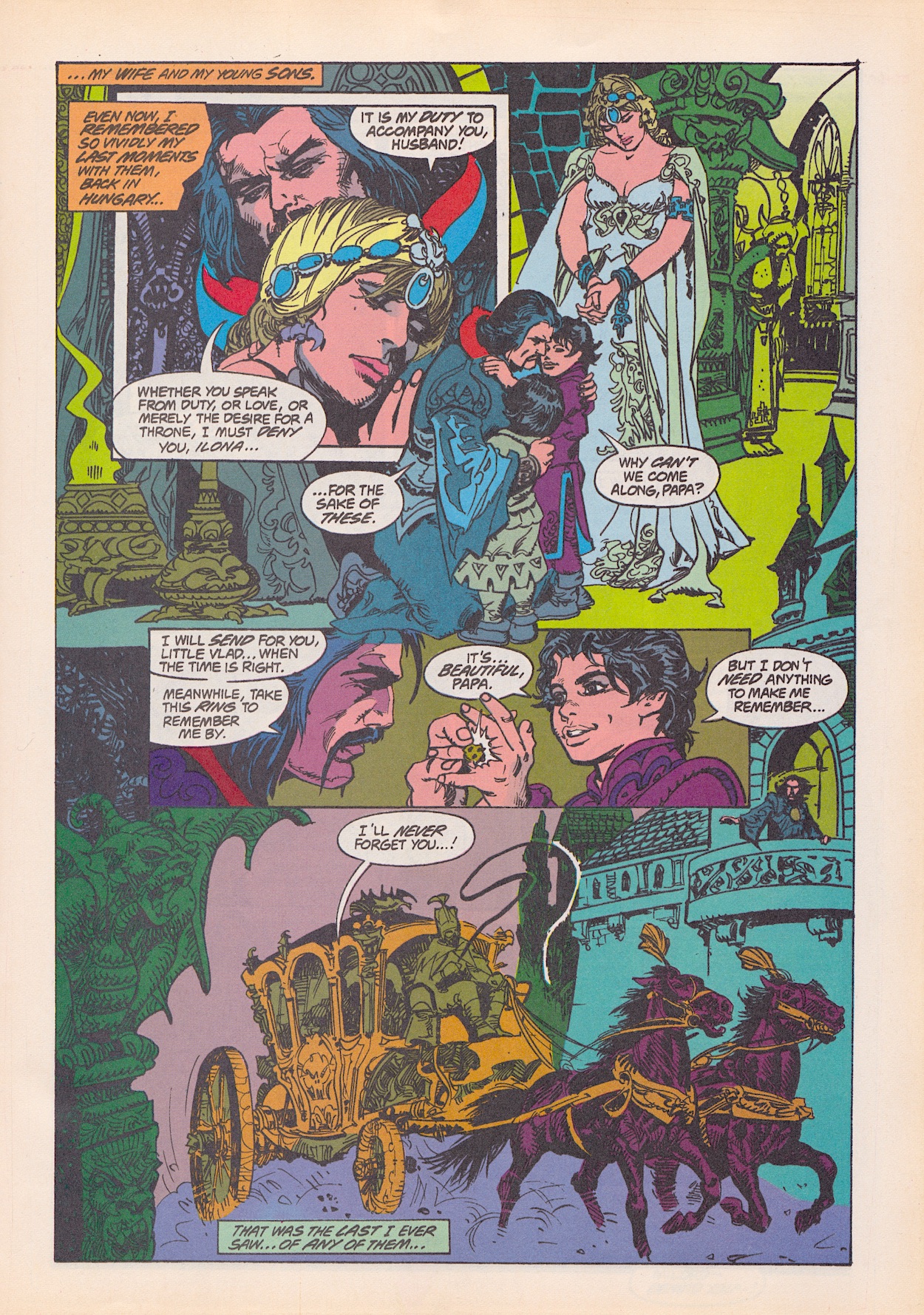
He realises his enemies (and allies) are amassing against his bloodlust and he takes drastic measures. He orders all of his wealth be amassed before leaving for a secret destination. Even his loyal assistant Cazan is left behind. Vlad shows a surprising amount of love for the man in these moments, telling the reader he was hurting because he’d left his friend with the wrong impression. You see, once all his worldly goods were buried (in an area where he’d dammed a river, then released the water again to hide the burial site) he impaled everyone involved. He didn’t want to have to kill his friend too.
But he would’ve.
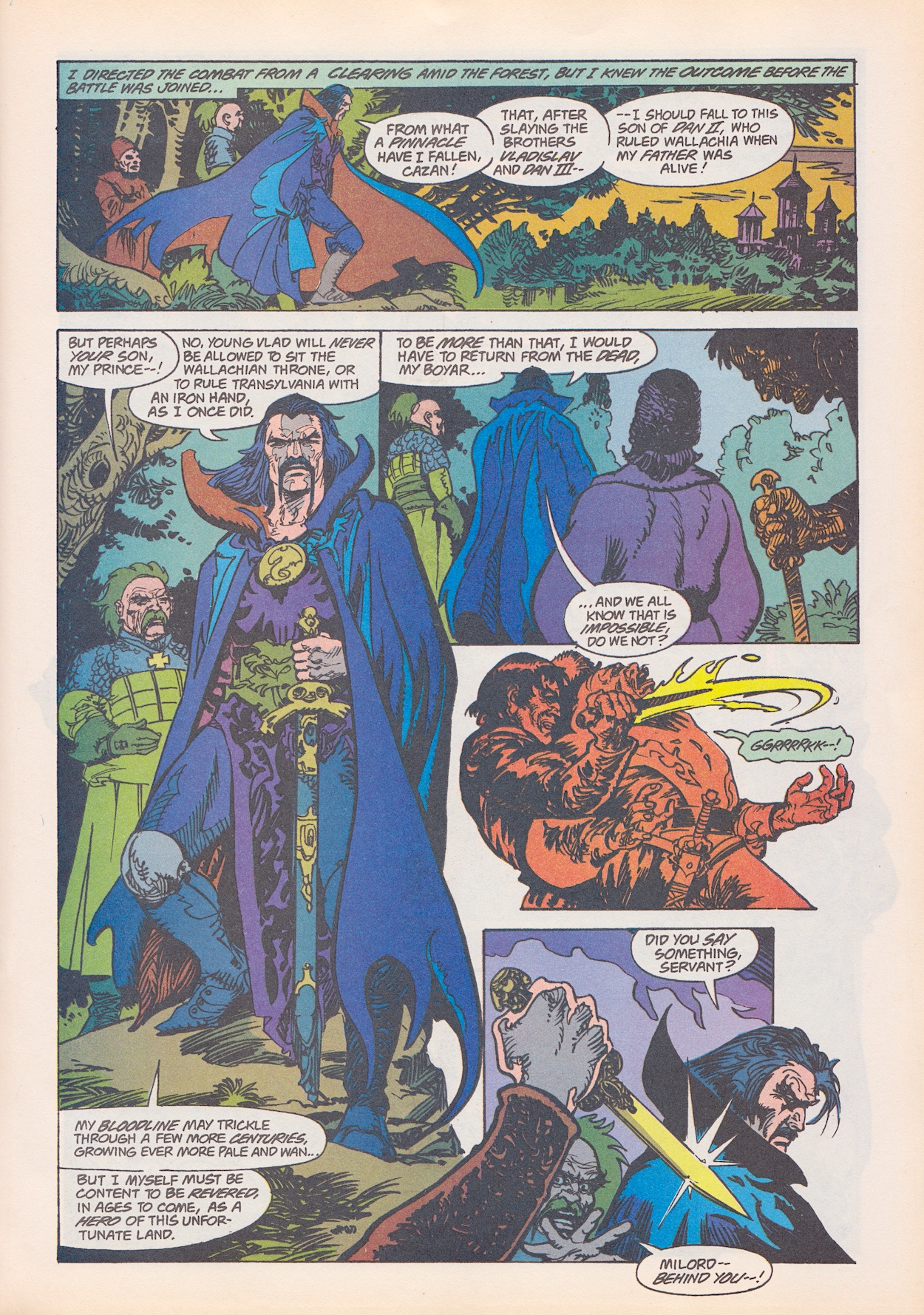
Someone claiming their village was destroyed by Vlad’s enemies comes to swear allegiance and, despite Cazan’s vocal suspicions, the man is allowed to join the army in a top advisory role. Vlad admits to the reader he had his own doubts but in a moment of “grim fatalism” he took in “a suspected viper to my bosom”. We’re reaching the end here. In the build up to the final battle against his hated foe, Danesti he’s unsurprisingly betrayed and Cazan takes a knife to the chest as he leaps to Vlad’s defence. Even though Vlad is also killed, his narration continues from beyond the grave and it’s here that the story goes on a tangent from known history.
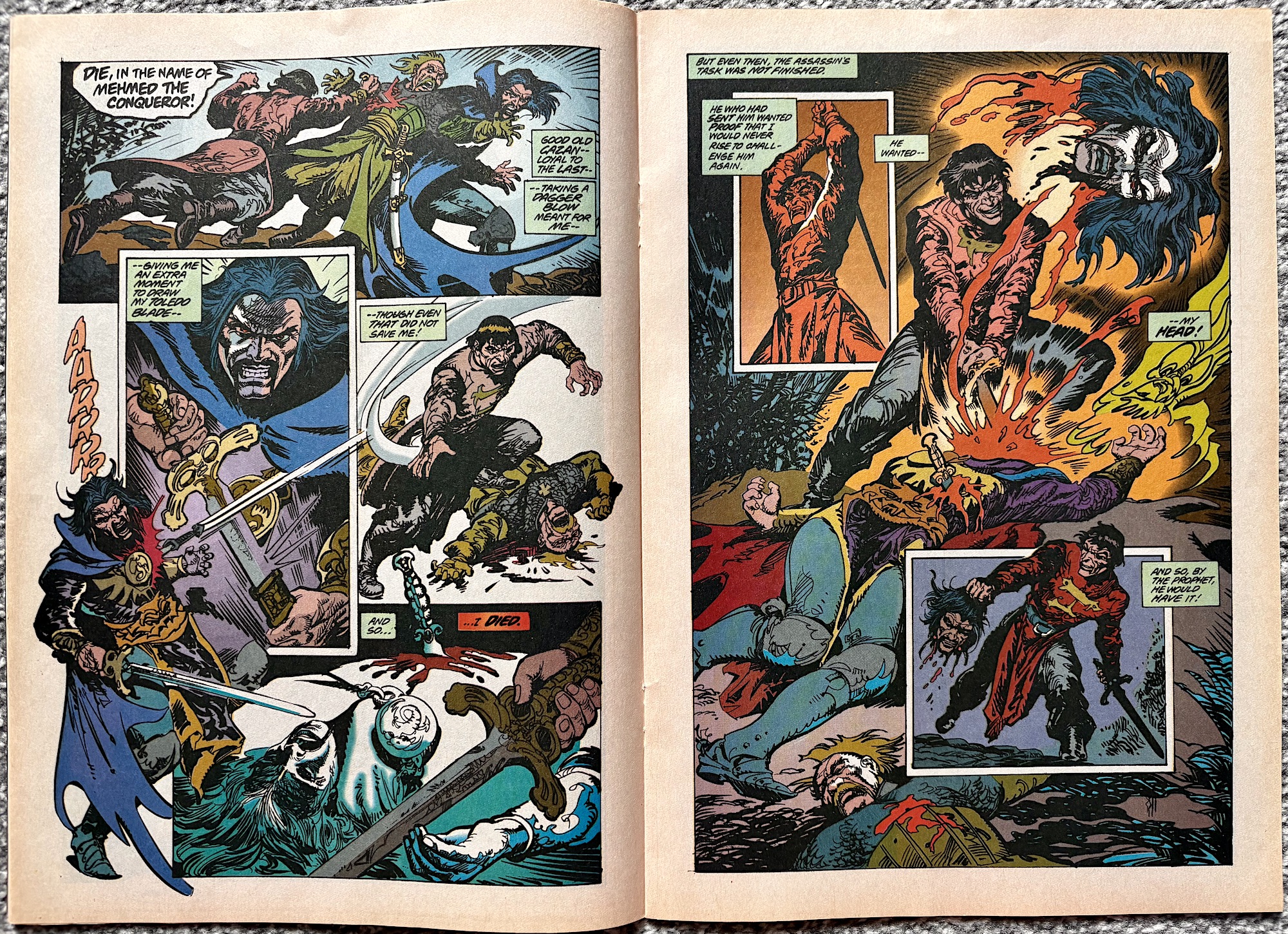
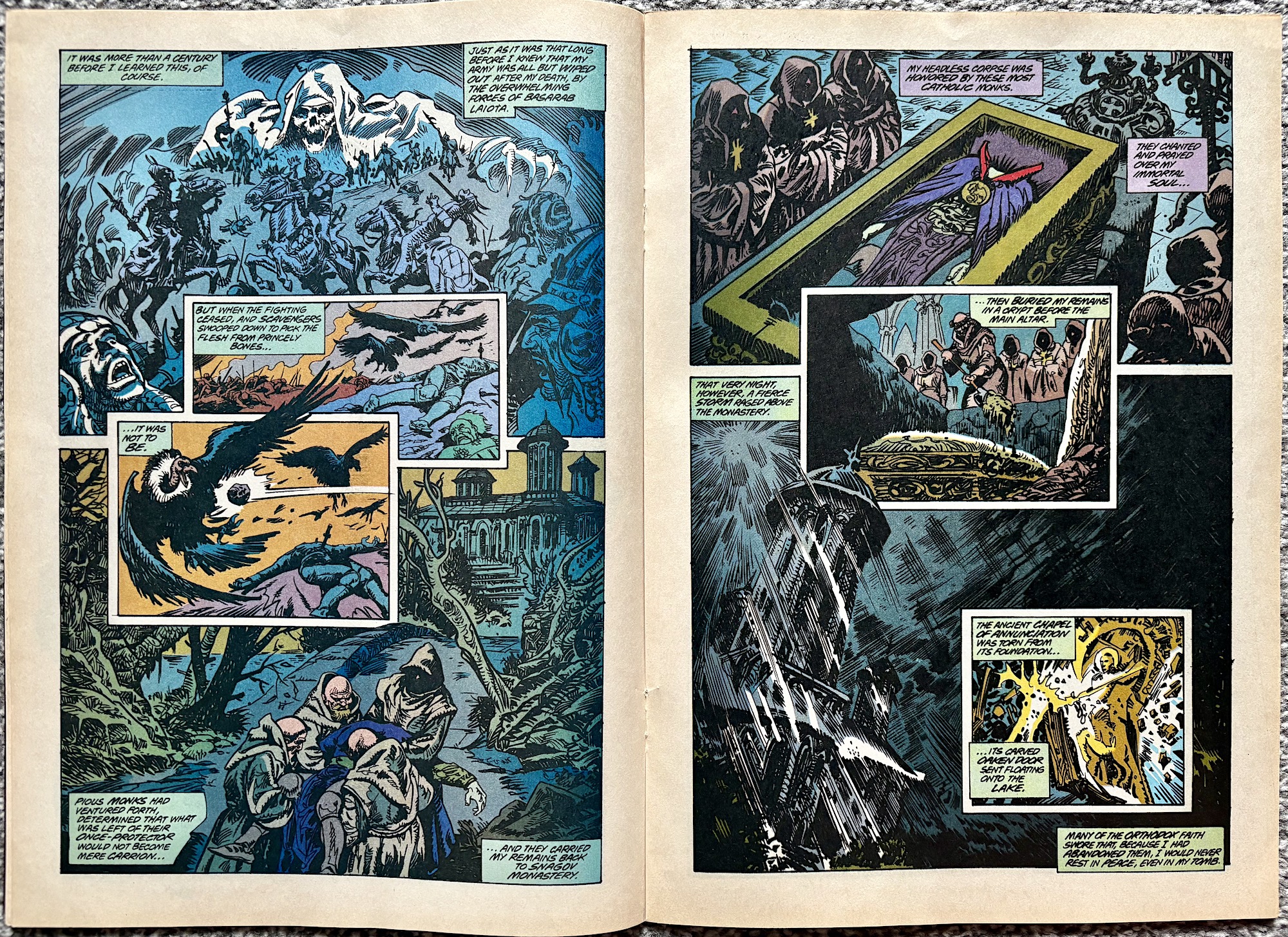
Beheaded by the assassin, after the battle is over pious monks take his body to be honoured by the Catholic church, which praises what this monster of a man achieved in the name of Christianity. However, that night the chapel is destroyed by a wild, unforeseen storm. This leads many of the faith to believe he’ll never be allowed to rest in peace because of what he did in life.
That was only his body, though. His head gets its own story. It was taken to Mehmed the Conqueror. However, over the course of just one night it becomes so badly decomposed it’s no longer recognisable to the people who come to see it impaled on a spike. We also find out that Vlad’s illegitimate son, Mihnea became known for terrorising the lands, cutting off the noses and lips of his enemies, with Vlad’s narration full of pride for the next Prince of Wallachia.
We then suddenly jump forward 150 years and a hooded stranger (actually a descendant) arrives at the church where Vlad’s decapitated body is buried; on orders from the Pope it is to be moved because it was buried too close to the altar. There’s a mention of Vlad’s wife’s suicide damning her for all eternity, which should be at least a bit familiar to fans of the film. However, unlike his supposed head a century-and-a-half earlier Vlad’s body hasn’t decayed.
After the spread above, his actual head (which we learn is not decomposed either) is placed on to his body, the stranger recites some ancient texts in a foreign language and Vlad rises again, instantly biting the neck of his descendant, energising his body and beginning his life as a vampire. While the story ends with an image of him declaring himself as the Dracula of Bram Stoker’s creation this origin story, even the resurrection part, is very different from the novel. In fact, it’s only one of a few possible stories about Vlad’s body after he died.
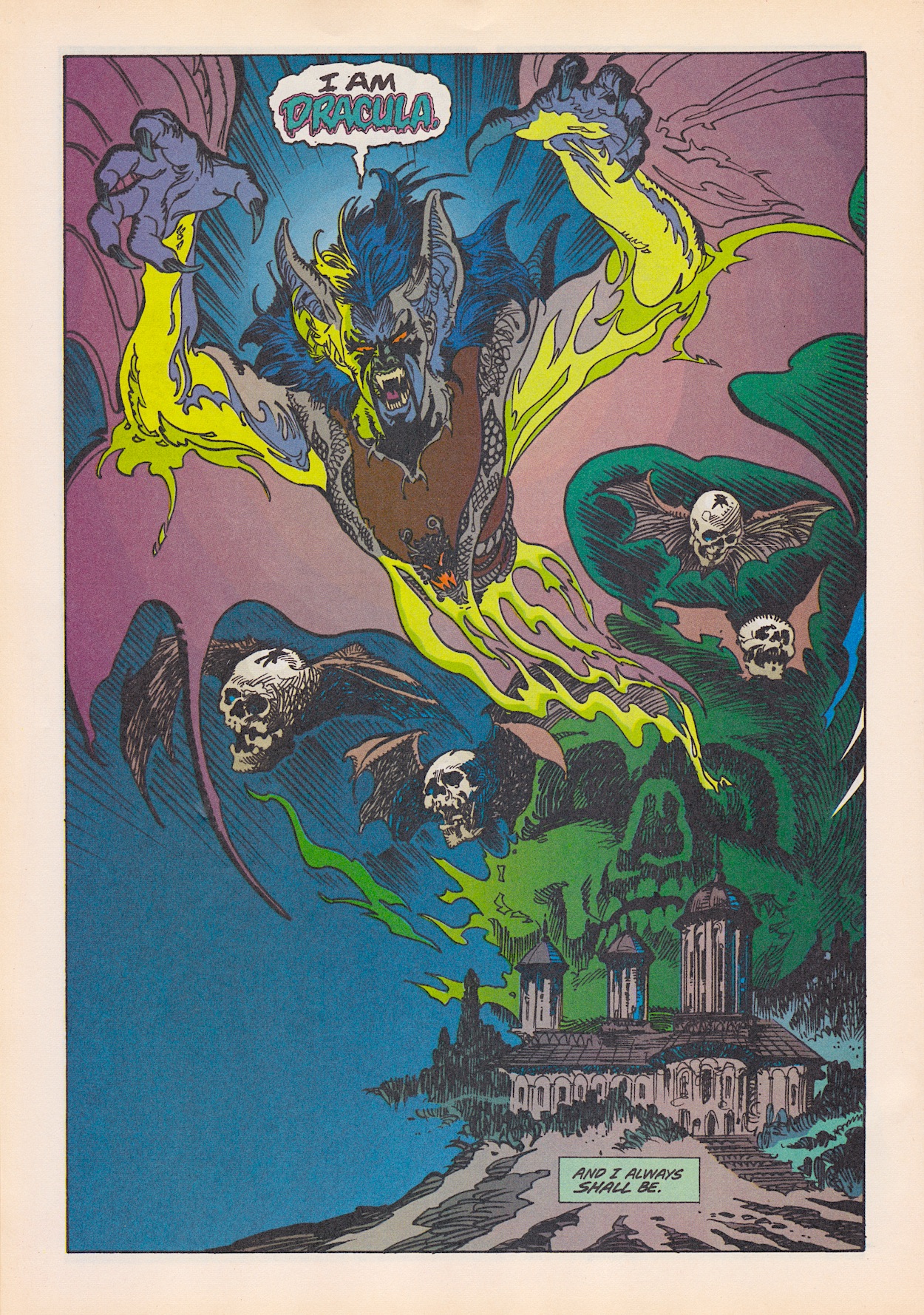
This has been a curious strip. We know that Stoker had very limited knowledge of Vlad the Impaler, that particular part of the world or indeed that point in history and he simply picked at scraps of information to build his character. (Not forgetting his own supposed xenophobia which may have contributed to the story.) This strip seems to dangle somewhere between actual history and the novel. After accurately chronicling the historical character (as much as a comic can), this final chapter commits itself to neither the truth nor Stoker’s imagination.
There’s a lot of ambiguity surrounding the events of his burial so Roy has decided to fill in the gaps as he saw fit, and that’s fair. Personally though, I’d have preferred to have had the mystery remain. It could’ve still ended with how it began four months ago, with Dracula relaying the story to the reader and letting them fill in the blanks. The mystery could’ve added to the spookiness, the unknown adding to the fear instead of it being filled in for us. Overall though, I’ve really enjoyed it and it’s peaked my interest in the real life man. I’ve found myself reading about him at length because of this comic.
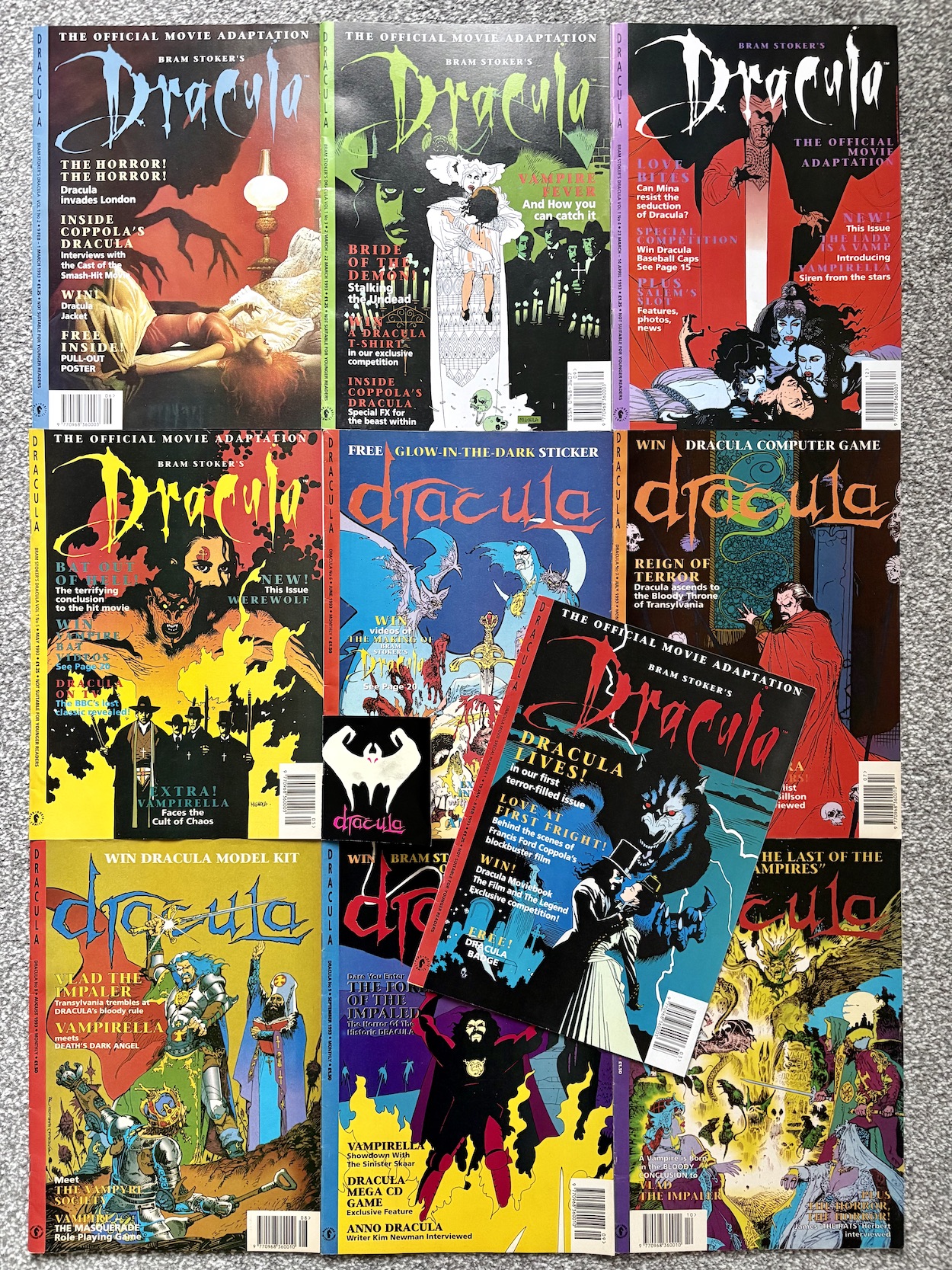
It’s a shame the sales figures dropped so sharply after the adaptation finished, although I’m not sure what they could’ve printed anyway. This last issue also sees Vampirella unceremoniously dumped (she never did get her own cover as promised) and the small back up strip is rather unremarkable. But I wanted to concentrate on the main story anyway.
Overall this has been a quality comic and a pleasant surprise from start-to-finish. From a brilliantly realised movie adaptation to a fascinating look at the man behind the myth. From an initially clichéd Vampirella origin to a captivating story and character I’d never read before. From interesting news on the film’s release to a series of remarkable anthology back up strips. I didn’t expect too much from what was essentially a movie tie-in, but Dark Horse International’s Dracula has been a great read from start to finish, including when changing form like its titular character.
It may not be well remembered and doesn’t sell for very much on eBay, but that just means it’s easy for you to pick up and enjoy for yourselves. I highly recommend that you do.
 OiNK Blog